Chamber of Mines pushes for growth levy reduction
The Ghana Chamber of Mines is urging the government to revise the current Growth and Sustainability Levy downward from 3 percent to 1 percent, citing the adverse impact of the existing rate on the operations and viability of mining companies, particularly smaller firms.
The call comes ahead of the Mid-Year Budget Review scheduled for today, July 24, 2025, as stakeholders across the economy seek adjustments to government fiscal policies in light of improving macroeconomic indicators.
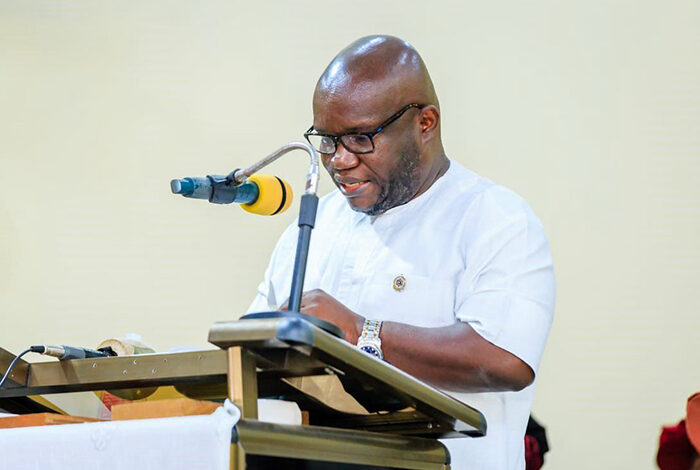
Addressing the media at a press briefing on Tuesday, July 22, the Chief Executive Officer of the Ghana Chamber of Mines, Ing. Dr. Kenneth Ashigbey, stated that the mining industry acknowledges the need to contribute to national development but is concerned about the sustainability of the 3 percent levy on gross revenue.
“There have been conversations about the Growth and Sustainability Levy. Our hope is that it will be reduced in the mid-year budget. The macroeconomy is pointing in the right direction. The strength of the cedi currently is predominantly based on gold,” he said.
The Growth and Sustainability Levy, introduced in 2023 as part of Ghana’s fiscal consolidation program, was initially set at 1 percent for the mining and oil and gas sectors.
However, the rate was subsequently increased to 3 percent, which industry leaders argue is disproportionately burdensome for some operators.
According to Dr. Ashigbey, while the larger multinational mining firms may be able to absorb the impact of the 3 percent levy, smaller-scale and mid-tier companies are struggling to meet the requirement, leading to financial strain and limited room for reinvestment.
“The disparity makes it difficult for smaller companies to comply. Reducing the levy will bring greater stability to the sector and serve as an incentive for further investment,” Dr. Ashigbey said.
He also stressed the importance of recognizing the mining sector’s vital role in supporting Ghana’s economic recovery, particularly through foreign exchange generation.
Dr Ashigbey noted: “Last year, through the Domestic Gold Purchase Program, we sold 358,218 ounces of gold to the Bank of Ghana. In addition, we continue to support the Bank through the Voluntary Forex and Gold Purchase Initiative, which has helped boost the country’s reserves and strengthen the cedi.”
He argued that creating a more supportive fiscal environment for mining would not only enhance investor confidence but also stimulate exploration, job creation, and revenue generation for the state in the medium to long term.
Industry observers note that the mining sector remains one of Ghana’s most critical contributors to GDP, export earnings, and employment. In 2024, Ghana maintained its position as the leading gold producer in Africa, further underlining the strategic importance of the sector to the national economy.
The Chamber is therefore calling for fiscal policy alignment that supports growth, stability, and long-term sustainability, especially at a time when global capital remains cautious and mining firms are navigating increased operational costs and regulatory demands.