Tax-to-GDP Ratio Improves to 14% in 2025 – Dep. Finance Minister
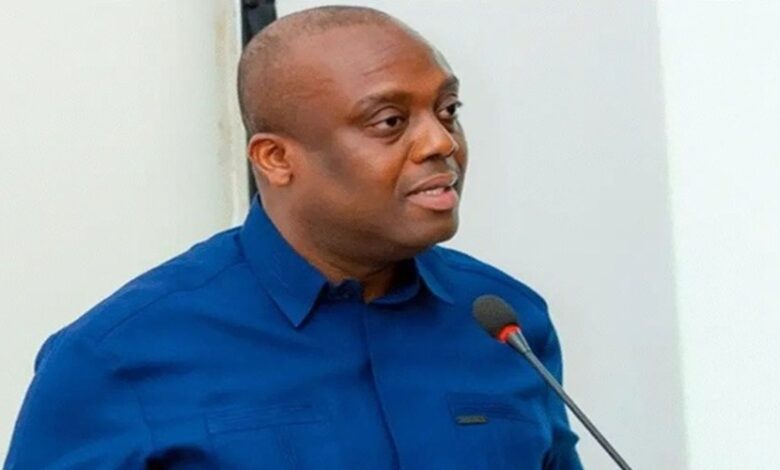
Ghana’s tax-to-GDP ratio has improved from approximately 12.3 percent to about 14 percent in 2025, marking a significant step forward in the country’s domestic revenue mobilisation efforts, according to the Deputy Minister for Finance, Thomas Nyarko Ampem.
He described the development as a positive signal of progress in ongoing tax reforms and broader fiscal consolidation efforts aimed at strengthening economic stability and supporting sustainable growth.
Mr. Ampem made the announcement during the opening session of the Korea High-Level Invitational Visit, held under the Ghana Tax Modernisation Project (2023–2026), which brings together Ghanaian officials and Korean partners to review progress on tax administration reforms.
He noted that the improvement reflects gains made through ongoing policy reforms, institutional strengthening, and enhanced compliance measures within the revenue collection system.
However, he cautioned that despite the progress, Ghana’s tax performance remains below the average for countries at similar levels of development, indicating that further reforms are necessary to fully unlock the country’s revenue potential.
“Ghana’s tax-to-GDP ratio, although improving from approximately 12.3 percent to about 14 percent in 2025, remains below the average for countries at similar levels of development,” he said.
Push for Stronger Revenue Mobilisation Reforms
The Deputy Minister stressed the need to continue deepening reforms aimed at improving efficiency in tax administration, expanding the tax base, reducing revenue leakages, and strengthening voluntary compliance among taxpayers.
He highlighted modern, integrated revenue systems and stronger institutional capacity as key pillars needed to sustain the upward trajectory in revenue mobilisation. He also underscored the importance of inter-agency collaboration and increased use of digital tools to improve transparency and efficiency in tax collection.
According to him, these priorities form the basis of the ongoing Ghana Tax Modernisation Project, which is being implemented with technical and financial support from the Korea International Cooperation Agency (KOICA), the Korea Institute of Public Finance, and other development partners.
Tax Modernisation Master Plan in Progress
Mr. Ampem, who also chairs the project’s Steering Committee, explained that the initiative is expected to culminate in a comprehensive Tax Modernisation Master Plan that will guide future reforms in Ghana’s revenue administration system.
The plan is expected to support the development of a more efficient, technology-driven, and citizen-centred tax system that enhances accountability, strengthens compliance, and improves service delivery.
He added that beyond revenue growth, the broader goal of the reforms is to build a tax system that promotes transparency, strengthens public trust, and supports Ghana’s long-term development agenda.
International Partnership and Outlook
The Deputy Minister expressed appreciation to the Government of Korea and its development partners for their continued technical support, describing the collaboration as critical to Ghana’s fiscal reform agenda.
He expressed confidence that lessons from Korea’s development experience, combined with recommendations from the ongoing project, would help Ghana build a more resilient and effective tax system capable of sustainably financing national development priorities.