Govt Extends Fuel Support for Two Pricing Windows
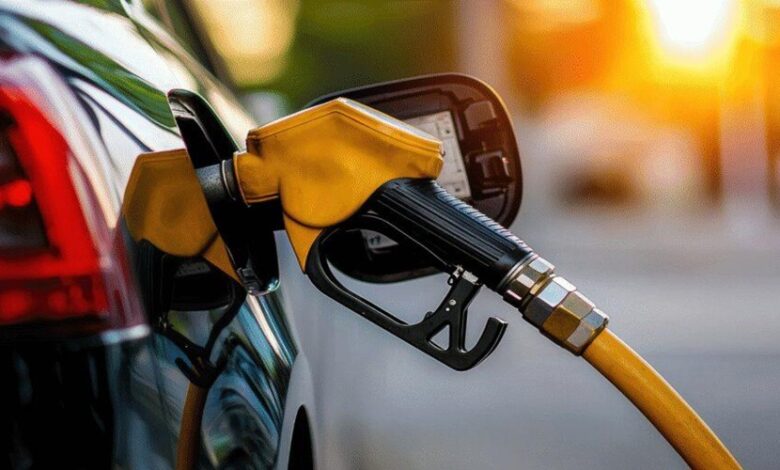
The Government has announced a revision of its fuel price intervention programme, extending support for diesel for an additional two pricing windows following the expiration of its initial one-month relief package aimed at cushioning consumers against rising petroleum prices.
The earlier intervention, which ran from April 16 to May 15, 2026, saw the government absorbing GH¢2.00 per litre on diesel and GH¢0.36 per litre on petrol to ease the impact of rising fuel costs on transport operators and households. The measure officially ended on May 15 after the stipulated policy period elapsed.
Under the revised arrangement, which takes effect from May 16, 2026, government support for diesel has been reduced to GH¢1.07 per litre. However, petrol has been excluded from the new intervention, effectively marking the end of subsidy-style relief on petrol products following the conclusion of the initial package.
According to the Ministry of Energy and Green Transition, the decision forms part of efforts to balance consumer relief with fiscal sustainability and ensure the continued efficient distribution of petroleum products across the country.
“This decision is necessary to ensure sustainable distribution of petroleum products across the country while continuing to provide relief to consumers,” the Ministry stated.
The revised diesel support will be implemented for two pricing windows, after which it will be reviewed based on prevailing domestic economic conditions, international oil price movements and fiscal considerations.
The policy adjustment comes amid continued volatility in the global energy market, where benchmark crude prices have remained elevated. Brent Crude rose to $109.24 per barrel on May 15, 2026, marking a 3.33 per cent increase from the previous trading session.
Market analysts attribute the upward pressure on prices to persistent supply constraints and geopolitical tensions affecting key shipping and production routes, particularly in the Middle East.
Tanker flows through the Strait of Hormuz, one of the world’s most critical oil transit corridors have reportedly been disrupted due to ongoing geopolitical tensions, limiting crude exports from major producers in the Persian Gulf region.
Energy experts warn that such disruptions continue to heighten uncertainty in global supply chains and contribute to price instability across international fuel markets.
The International Energy Agency has also cautioned that global oil markets could remain undersupplied until at least October, even if current disruptions ease, citing tightening inventories and delays in supply adjustments relative to demand growth.
The revised domestic fuel policy is therefore expected to operate within a challenging external environment, where global price volatility continues to influence local fuel pricing and government fiscal exposure.