Ghana-Germany Trade Hits €744.7m
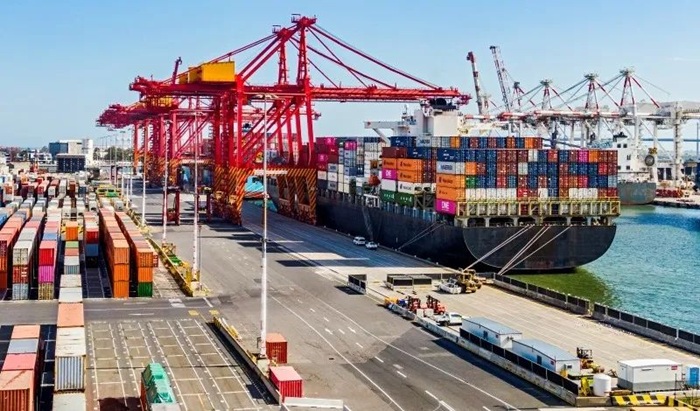
Trade between Germany and Ghana climbed to a record €744.7 million in 2025, reflecting strengthening commercial ties between Europe’s largest economy and Ghana as bilateral trade moved closer to balance.
The latest preliminary trade figures showed total trade expanding by nearly 19 per cent year-on-year, driven by rising exports from both countries and growing demand for machinery, industrial equipment, vehicles and processed food products.
The stronger trade performance highlights deepening economic cooperation between Accra and Berlin at a time when Ghana is seeking to attract more European investment into manufacturing, agribusiness, infrastructure and industrial development.
According to the figures, German exports to Ghana rose 23.9 per cent in 2025 compared with the previous year, while Ghana’s exports to Germany increased 13.8 per cent.
Machinery and industrial equipment remained Germany’s largest export category to Ghana, increasing by 33.8 per cent to €96.3 million.
Vehicle and automotive parts exports recorded one of the sharpest increases, surging 66 per cent to €40.4 million as demand for transport equipment and industrial mobility solutions expanded within Ghana’s economy.
Chemical product exports from Germany also grew by 17 per cent to €34.6 million.
German agricultural exports to Ghana posted particularly strong growth, rising by more than 266 per cent to €11.9 million, reflecting increased trade activity within the food and agricultural supply chain.
On the Ghanaian side, agricultural exports to Germany remained a major pillar of bilateral trade, reaching €201.4 million, representing a 9.5 per cent increase from 2024.
Exports of food and beverages from Ghana recorded even stronger growth, surging 66.6 per cent to €124.6 million.
The rise in processed and value-added food exports is being viewed as a positive sign for Ghana’s industrialisation and export diversification agenda, particularly as government continues efforts to reduce dependence on raw commodity exports.
Analysts say the increasing share of processed agricultural exports suggests gradual progress in Ghana’s push to expand domestic value addition, strengthen agro-processing and improve export competitiveness within European markets.
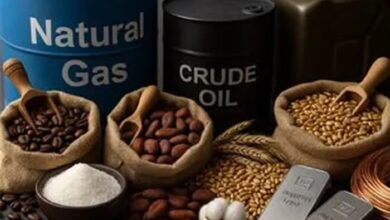
Natural resource exports, however, declined significantly during the period, falling 36.2 per cent to €29.2 million.
Despite the decline, the broader trade figures indicate a gradual structural shift in the relationship between the two economies.
Historically, trade between many African and European countries has largely been dominated by raw material exports from Africa and finished industrial products from Europe.
However, the latest data suggests Ghana is slowly increasing the share of processed and manufactured exports within the trade mix.
The near-balanced trade relationship is also being interpreted as a sign of expanding economic opportunities between the two countries, supported by stronger commercial engagement and rising interest in industrial partnerships.
The improved trade performance comes as Ghana intensifies efforts to position itself as a regional industrial and manufacturing hub under broader economic transformation initiatives aimed at boosting local production, exports and foreign direct investment.
Germany remains one of Ghana’s key European trade and investment partners, with cooperation spanning manufacturing, renewable energy, infrastructure, agriculture and vocational training.