Former Senegalese President Enters UN Secretary General Race
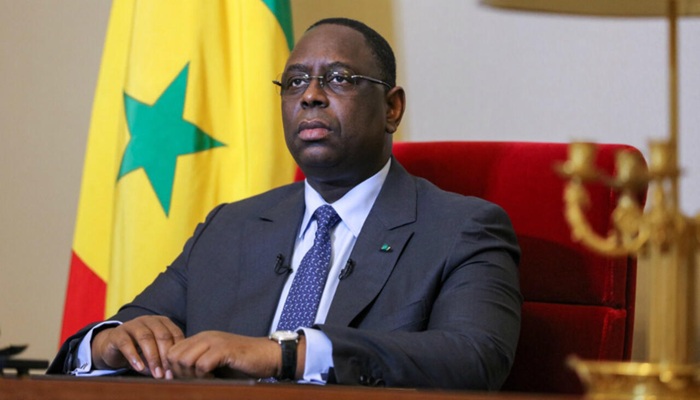
Former Senegalese president Macky Sall has officially joined the race to become the next Secretary General of the United Nations. The world body confirmed on Monday that Sall, who led Senegal from 2012 to 2024, was nominated for the position by Burundi.
Sall’s candidacy comes at a time when the UN is preparing to elect a new chief to replace Antonio Guterres, whose term ends this year. The winner will serve a five year term beginning on January 1, 2027.
During his presidency, Sall was credited with advancing infrastructure and energy projects, but he continues to face criticism at home. Opponents accuse his administration of concealing the true scale of Senegal’s fiscal problems, an issue that remains politically sensitive.
Traditionally, the UN Secretary General role rotates among regions. When Guterres, who is Portuguese, was elected in 2016, it was supposed to be Eastern Europe’s turn. By that logic, Latin America is next in line. Sall’s nomination therefore adds an element of debate about whether regional rotation should remain a guiding principle.
Sall joins a growing list of candidates. Former Chilean president Michelle Bachelet and Argentine diplomat Rafael Grossi, currently head of the International Atomic Energy Agency, have already been formally nominated. Costa Rica has also put forward its former vice president Rebeca Grynspan, though her candidacy has not yet been officially submitted to the UN.
Observers note that this election is taking place amid a strong push for the United Nations to appoint its first female Secretary General in its 80 year history. Supporters of Bachelet and Grynspan argue that the time has come for a woman to lead the organization.
The Security Council is expected to begin the selection process by the end of July. The Council will recommend a candidate to the General Assembly, which will then make the final appointment.
Diplomats say the race will be closely watched, not only because of the candidates’ backgrounds but also because of the geopolitical context. With global tensions rising and calls for reform within the UN system, the next Secretary General will face pressure to strengthen multilateralism and rebuild trust among member states.
For Sall, the nomination represents an opportunity to extend his influence beyond Senegal and Africa. His supporters argue that his experience in governance and regional diplomacy makes him a strong contender. Critics, however, question whether his domestic record will weaken his chances.
As the campaign unfolds, the race highlights both the diversity of candidates and the challenges facing the United Nations in choosing a leader who can navigate complex global issues.