

COPEC Calls for Dedicated Fund to Upgrade Ghana’s Health Facilities
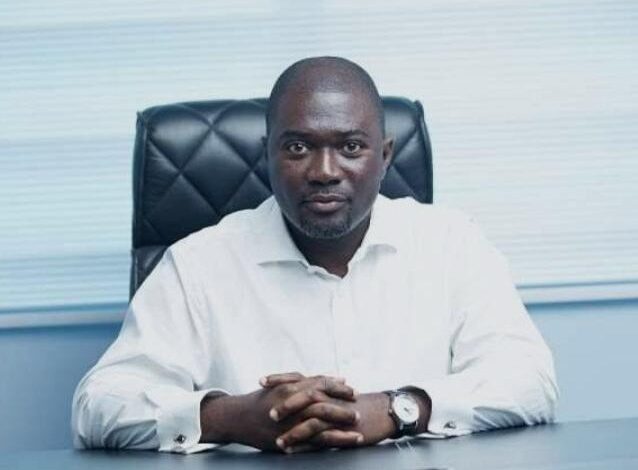
Duncan Amoah, Executive Secretary of the Chamber of Petroleum Consumers (COPEC), has called for the establishment of a dedicated medical fund to specifically support the retooling and upgrading of health facilities across Ghana as part of efforts to address the country’s persistent “no bed syndrome” crisis.
He was reacting to findings from a report into the death of Charles Amissah, an incident that has reignited public debate on the state of emergency healthcare delivery in the country.
According to Mr. Amoah, the challenges confronting Ghana’s healthcare system are largely due to weak planning and insufficient investment in modern medical infrastructure, equipment and operational systems needed for effective service delivery.
He argued that successive governments have often focused on constructing hospital buildings without adequately providing the equipment, logistics, and support systems required to make those facilities fully functional and responsive to emergencies.
“As a country, we don’t plan well for health facilities. We go and erect two or three blocks and put in a few machines and say it is a hospital. And then you post a young man who has lived in Accra or Kumasi all his life where even accommodation is a challenge,” he stated.
He stressed the need for a long-term, targeted financing mechanism that would go beyond general health funding to focus specifically on retooling and upgrading hospitals to handle emergency cases effectively and reduce avoidable deaths.
“And so I will insist that we should have a medical fund, not a health fund that does proper retooling of some of our health facilities,” he added.
Mr. Amoah’s comments come amid rising public concern following the death of Charles Amissah, who reportedly died after being denied emergency treatment at three different hospitals.
He was involved in a hit-and-run accident on February 6 and was rushed for medical attention, but was allegedly refused admission and treatment at the three facilities he was taken to.
His death has sparked renewed calls for reforms in Ghana’s emergency healthcare system and improved accountability in hospital response mechanisms.



