

Germany Reaffirms Support for Morocco’s Sovereignty in Sahara Dispute
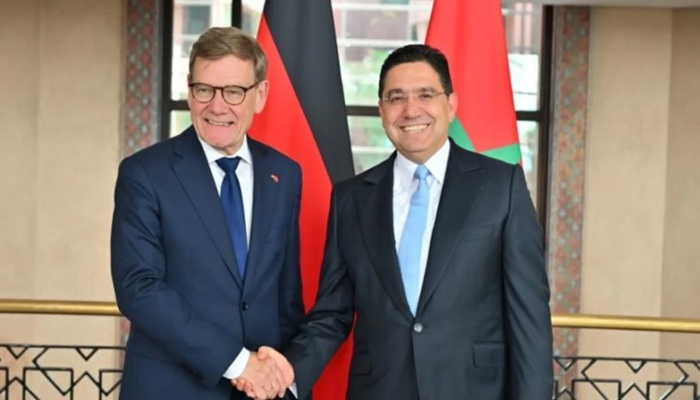
Germany has restated its backing for Morocco’s Autonomy Initiative as the most credible basis for resolving the long running Sahara dispute. Berlin says it will reflect this position in both its diplomatic and economic actions.
The announcement was made in a joint declaration issued at the end of the second session of the Morocco Germany Multidimensional Strategic Dialogue held in Rabat on Thursday. The meeting brought together Morocco’s Foreign Minister, Nasser Bourita, and German counterpart Johann Wadephul.
Germany welcomed United Nations Security Council Resolution 2797, adopted on October 31, 2025, which affirms that “genuine autonomy under Moroccan sovereignty could represent the most feasible solution” to the regional dispute.
According to the declaration, Germany underscored the centrality of Morocco’s Autonomy Initiative, describing it as “a serious and credible basis for negotiations” aimed at achieving a just, lasting, and mutually acceptable political settlement. Berlin also reiterated its support for the UN Secretary General and his Personal Envoy in facilitating negotiations based on the Moroccan plan.
Germany further welcomed Morocco’s readiness to explain how autonomy under its sovereignty would be implemented, noting that such openness strengthens confidence in the proposal. Officials said Berlin would act in line with this stance on both diplomatic and economic fronts, consistent with international law.
The Sahara dispute has been one of Africa’s most enduring conflicts, with Morocco insisting that its autonomy plan offers the only realistic solution. The plan proposes granting the region self governing powers under Moroccan sovereignty, while rejecting calls for full independence.
Support for Morocco’s position has grown in recent years, with several countries backing the autonomy plan as a compromise solution that could end decades of tension. Germany’s reaffirmation adds weight to Morocco’s diplomatic efforts to consolidate recognition of its sovereignty while advancing autonomy as a framework for peace.
Observers say Berlin’s stance reflects the importance of Morocco as a strategic partner in North Africa, particularly in areas such as trade, security, and renewable energy. The declaration also signals Germany’s intention to deepen cooperation with Morocco while aligning its foreign policy with the UN process.
For Morocco, the endorsement is a significant diplomatic gain, reinforcing its claim that autonomy under sovereignty is the most practical path forward. Officials in Rabat argue that the plan balances self rule with national unity, while ensuring stability and development for the region.
The joint declaration highlights the growing role of international partners in shaping the future of the Sahara dispute. Analysts note that Germany’s position could encourage other European states to adopt similar stances, further isolating calls for independence.
As the UN continues efforts to broker a settlement, Morocco’s autonomy plan remains at the centre of negotiations. Germany’s support is expected to strengthen momentum behind the proposal and increase pressure on all parties to reach a lasting agreement.



