Ghana’s Languages at a Crossroads: Preserving Heritage in a Modern World

Ghana is a nation blessed with linguistic diversity. From Akan to Ewe, Ga to Dagbani, and hundreds of other languages, our tongues carry centuries of history, culture, and identity. Each language is more than just a means of communication; it is a living archive of stories, traditions, and ways of understanding the world. Yet, despite this richness, a worrying trend persists: many Ghanaians are gradually losing touch with their native languages, favoring English or dominant dialects in education, media, and official discourse.
A recent UNESCO report underscores this concern, warning that without active measures to protect and promote these languages, many could become endangered within a few generations. Language loss is more than cultural erosion, it threatens social cohesion, intergenerational knowledge transfer, and even national identity. Ghana’s languages are a reflection of its diversity and resilience; to neglect them is to lose part of the country’s soul.
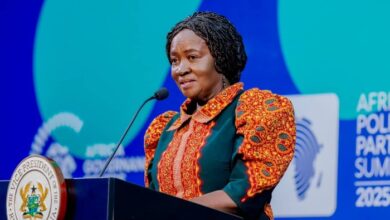
This debate has resurfaced in the context of calls by some policymakers and commentators for a single national language to unify the country. Proponents argue that a common language could improve communication, efficiency, and integration across regions. However, the Minister for Tourism, Arts, and Culture has firmly rejected this idea, emphasizing that Ghana’s strength lies in its multilingual heritage. “We will not back a call for a single language,” she said, affirming the government’s commitment to preserving linguistic diversity.
Her stance is critical. Advocating for a single language risks erasing centuries of cultural history in the pursuit of convenience. Ghana’s linguistic plurality is a mirror of its regional and ethnic diversity, a strength that has shaped art, music, storytelling, governance, and community life. Reducing it to one language would not only impoverish cultural expression but also alienate communities whose identities are closely tied to their mother tongue.
The challenge, however, is real. Many young Ghanaians are growing up with limited proficiency in their ancestral languages, often due to the dominance of English in schools and workplaces. Urbanization and migration also contribute, as families adopt dominant dialects or English to navigate economic opportunities. Without deliberate interventions, our linguistic heritage could fade, leaving future generations disconnected from the rich tapestry of Ghanaian culture.
Preserving languages requires a multifaceted approach. Schools should integrate local languages into curricula, not only as subjects but also as mediums of instruction where feasible. Media platforms, television, radio, and digital can play a role by broadcasting programs in multiple languages. Communities must also champion cultural practices that embed language use in daily life, from storytelling and festivals to religious and civic engagements.
Beyond preservation, Ghana’s languages are an economic and diplomatic asset. Cultural tourism, literature, music, and film all draw from linguistic diversity. By maintaining and promoting our languages, Ghana strengthens its cultural brand globally while also empowering local communities economically.
The UNESCO report is a wake-up call, but the Minister’s position offers a guiding principle: unity does not require uniformity. Ghana can be cohesive while celebrating its multilingual identity. Protecting languages is not about resisting modernity; it is about ensuring that progress does not come at the expense of heritage.
In conclusion, Ghana stands at a crossroads. We can either allow linguistic erosion to continue, favoring convenience over culture, or we can invest in the deliberate preservation and promotion of our languages. The choice is clear. Our languages are more than words; they are the vessels of our history, our stories, and our identity. To safeguard them is to safeguard Ghana itself.