Ghana’s Gold Reserves Estimated at US$146bn – CPS
By Praisebell Rosemond Larbi
The Centre for Policy Scrutiny (CPS) has raised concerns over what it describes as Ghana’s underutilisation of gold in shaping monetary policy, despite the precious metal being central to the country’s economic history.
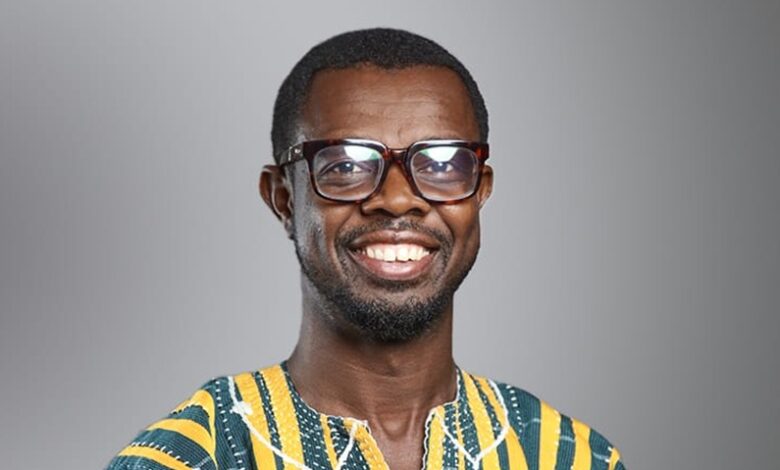
Professor Paul Alagidede, a fellow of the CPS, argued that Ghana has not fully tapped into the strategic value of gold, which he said could help address the country’s persistent liquidity challenges.
“Gold plays a very significant role as a store of value and an inflation hedge. It can also serve as a strategic reserve asset for emerging market economies like Ghana,” Professor Alagidede said during a public lecture organised by CPS in partnership.
Ghana is the sixth-largest gold producer globally, producing about 440 tonnes annually. Yet, the professor noted, only a small fraction of this wealth is reflected on the country’s balance sheet. He said Ghana holds about 38 tonnes of gold in official reserves, while proven in-situ reserves are estimated at around 1,000 metric tonnes.
“At current prices, the value of Ghana’s proven gold reserves alone is estimated at about US$146 billion,” he said. This figure forms part of a broader natural asset base valued at roughly US$1.5 trillion.
Professor Alagidede argued that orthodox economics tends to treat gold as dormant wealth until it is extracted and sold. “In the age of reductionism, gold in the ground is seen as dead,” he explained. “But in the age of regeneration, it is an opportunity for balance-sheet renewal.”
He said that by activating just 40 to 60 per cent of its in-situ gold equity, Ghana could unlock between US$634 billion and US$952 billion in fiscal space.
“The illusion of poverty is very powerful. Orthodox thinking sees Ghana as a poor country that must always look outside for liquidity,” he said.
Professor Alagidede acknowledged recent policy shifts, including the establishment of the Ghana Gold Board (GoldBod), which has mobilised about US$10.8 billion from small-scale and artisanal mining within a year. However, he described these measures as preliminary steps that require a deeper change in monetary philosophy to have lasting impact.
“These are baby steps unless they are supported by a deeper shift in monetary philosophy,” he cautioned.
He urged policymakers to transition from managing economic flows to managing the national balance sheet, anchored on sovereign assets.
“Ghana is not a poor nation. It is a wealthy nation in a temporary state of amnesia. It is time to wake up,” Professor Alagidede concluded.