

Businesses on Edge as Utility Prices Climb
By Maame Efua Kwaduah
Ghana’s business sector and consumers are expected to face higher cost pressures next year following the Public Utilities Regulatory Commission’s (PURC) approval of new utility tariffs.
Electricity charges will rise by 9.86%, while water tariffs increase by 15.92% effective January 1, 2026, under the Commission’s multi-year review from 2026 to 2030.
The PURC says the upward adjustments are required to support investment needs, account for inflation and exchange rate movements and ensure the financial stability of utility providers.
But energy-sector observers, including the Minority in Parliament, warn that the cumulative 28.14% rise in electricity tariffs within a short period could weigh heavily on businesses already struggling with operational costs.
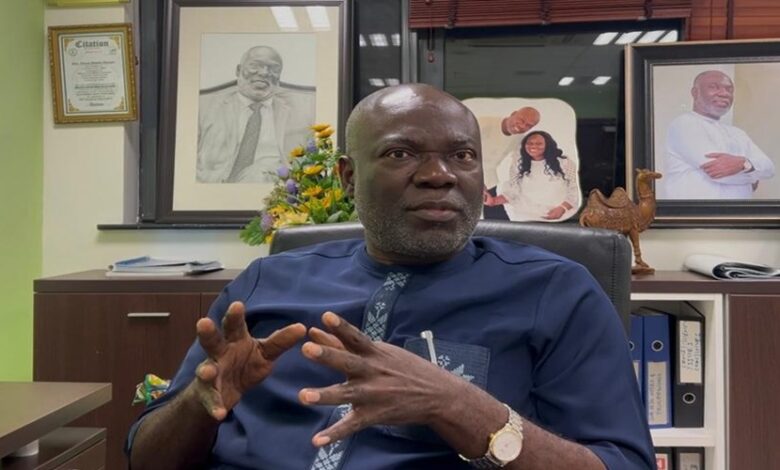
According to George Kwame Aboagye, Ranking Member on the Energy Committee in Parliament, the increases could slow business competitiveness and reduce the spending power of households.
Addressing journalists in Accra on Monday, Mr. Aboagye highlighted Ghana’s persistent 32% commercial and technical power losses, which translate into $80–$90 million in lost revenue annually.
He argued that recovering these losses would significantly reduce the need for tariff hikes and ease pressure on firms and consumers.
According to him, imposing new tariffs without addressing inefficiencies amounts to shifting sector burdens onto businesses and ordinary Ghanaians.
Business groups share similar concerns, noting that higher utility costs could push up production expenses, strain SMEs and lead to price adjustments across key industries.
Analysts also warn that these pressures may undermine investment outlooks, affect job creation and reinforce inflation risks in 2026.
The Minority has therefore called for a withdrawal and review of the tariff adjustments, insisting that improving operational efficiency not passing on cost remains the most sustainable path to stabilising the business environment and supporting long-term economic growth.



