

Gold’s Relentless Surge: What the Latest Rally Says About Global Economic Anxiety
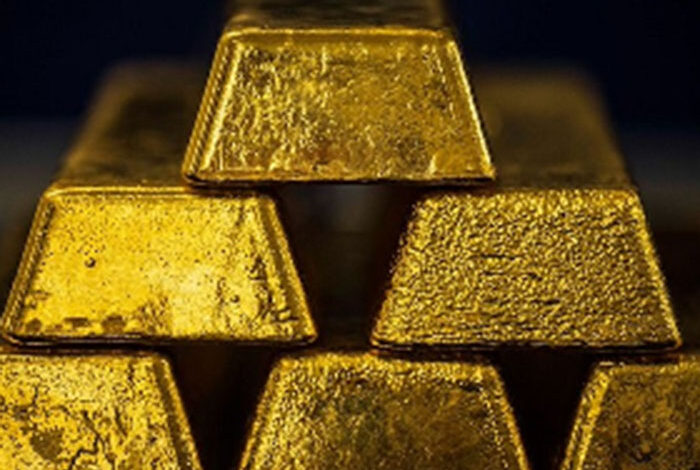
Gold’s firm hold above the $4,060 mark, closing at $4,061.46 per ounce despite a negligible 0.01% dip, offers more than just another data point for market watchers. It is a mirror reflecting the deep-seated uncertainty that continues to define the global economy in 2025. When gold performs this strongly for this long, the world should pay attention. Moreover, the world is paying attention.
The metal’s extraordinary 55.58% surge over the past year cannot be dismissed as a speculative spike or a temporary hedge play. Instead, it speaks to something far more structural: investors do not trust the stability of the global economic environment, and they are increasingly turning to the one asset that has outlived every crisis; gold.
With investors now anxiously awaiting a packed week of US macroeconomic data, retail sales, PPI figures, and jobless claims, one cannot help but ask: if even a marginal data surprise can sway markets this dramatically, how solid is the global recovery narrative? The US economy, still seen as the anchor of global financial stability, remains under pressure from slowing consumer demand, stubborn inflation pockets, and labour-market fatigue. These challenges are not abstract, they directly shape monetary policy expectations, market sentiment, and ultimately, gold prices.
Fed President John Williams’ recent hint that a rate cut could be on the table “in the near term” has deepened the market’s belief that monetary easing is imminent. Traders have now priced the probability of a cut next month at 69%, up from 40% the week before. That kind of shift does not happen by accident; it reflects genuine concern about the US economy’s resilience. In addition, when interest rates fall, gold rises. A weaker dollar and lower Treasury yields almost always translate into stronger demand for the metal.
However, even beyond the short-term numbers, the broader story is far more compelling. Gold’s rise is underpinned by geopolitical tensions, persistent fiscal vulnerabilities in major economies, central banks aggressively diversifying away from traditional reserve currencies, and global trade disruptions. These are not fleeting risks; they are symptoms of a world in transition, economically, politically, and strategically.
The question, then, is not whether gold’s rally will continue this week. The real question is: what does the rally say about the world’s confidence in traditional financial systems? Moreover, the answer, judging by the data, is troubling. When gold becomes the standout performing asset globally, it often signals declining faith in broader economic stability.
For now, near-term price movements will depend heavily on incoming US data. A soft reading could push gold higher; a surprise rebound could slow momentum. However, the metal’s long-term trajectory remains anchored by deeper uncertainties, not just in markets, but in the global order itself.
Gold’s message is clear: the world is nervous, and investors are seeking refuge. Whether governments respond to the underlying causes of that nervousness remains to be seen.



