Bank of Ghana Registers Over 100 Crypto Firms
By Praisebell Rosemond Larbi
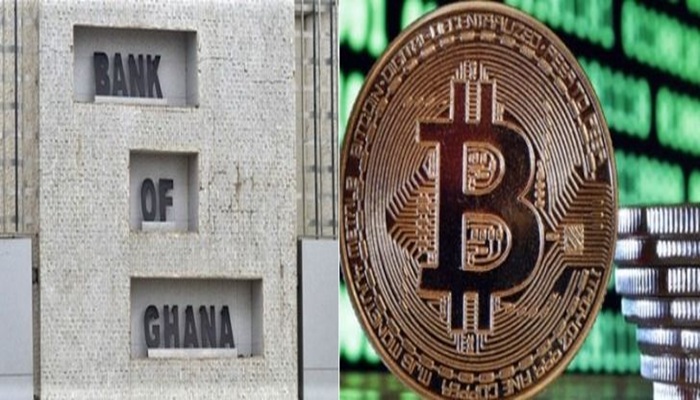
The Bank of Ghana (BoG) has formally registered more than 100 virtual asset service providers (VASPs) as part of a new national framework to regulate the country’s fast-growing cryptocurrency and digital asset market.
In a release dated November 5, 2025, accompanied by a policy document titled “Ghana’s Policy Position on Virtual Assets and Service Providers,” the central bank outlined the first comprehensive set of rules governing the use, exchange, and management of virtual assets, including cryptocurrencies, tokens, and related blockchain-based services.
According to the BoG, a registration exercise conducted in July 2025 identified over 100 companies providing virtual asset services such as digital exchange, wallet management, brokerage, and investment advisory. Together, these firms serve an estimated three million Ghanaians who are actively involved in the country’s emerging crypto ecosystem.
To enhance supervision and enforcement, the Bank announced the establishment of a Virtual Assets Regulatory Office (VARO), a dedicated unit within the BoG tasked with overseeing the digital assets industry. The new office will coordinate inter-agency oversight and ensure compliance with anti-money laundering (AML) and counter-terrorism financing (CTF) requirements.
“The Bank recognizes that virtual assets can no longer remain outside Ghana’s financial regulatory remit,” the document stated.
It explained that the VARO will serve as an institutional bridge between government regulators and the virtual assets industry, collaborating with agencies such as the Securities and Exchange Commission (SEC), the Financial Intelligence Centre (FIC), the Ghana Revenue Authority (GRA), and the National Communications Authority (NCA).
The move represents a major policy shift from the Bank’s earlier cautionary stance. Between 2018 and 2022, the BoG repeatedly warned that cryptocurrencies were not legal tender and directed financial institutions to refrain from processing crypto-related transactions. The 2025 framework marks a transition from warning to active regulation.
Under the new approach, Ghana’s digital asset regulation will be risk-based and activity-specific, meaning that higher-risk activities such as crypto trading, custody, and exchange, will attract more stringent licensing and compliance standards. Lower-risk services will undergo simplified procedures designed to encourage innovation and responsible market participation.
While affirming that virtual assets will not be recognized as legal tender in Ghana, the Bank said the regulatory initiative aims to balance innovation with consumer protection, market integrity, and financial stability. The framework also seeks to curb risks associated with money laundering, fraud, and terrorist financing.
The BoG further announced plans to introduce a National Virtual Assets Literacy Initiative (NaVALI), in collaboration with the SEC and the Ministry of Education, to promote public awareness and digital financial literacy. The program will target young Ghanaians, who account for the majority of crypto users.
Ghana’s regulatory framework aligns with international standards set by global bodies such as the Financial Action Task Force (FATF), the International Monetary Fund (IMF), and the Bank for International Settlements (BIS).
With this move, Ghana joins a select group of African nations taking structured steps to regulate digital assets, balancing innovation with robust financial oversight to strengthen confidence in its financial system.