

IEA advocates ban on new mining leases to foreign firms
By Solomon Nartey Tetteh
The Institute of Economic Affairs (IEA) has called on government to restrict the granting of future mining leases to foreign companies and adopt a clear national policy that prioritises local ownership of Ghana’s mineral resources.
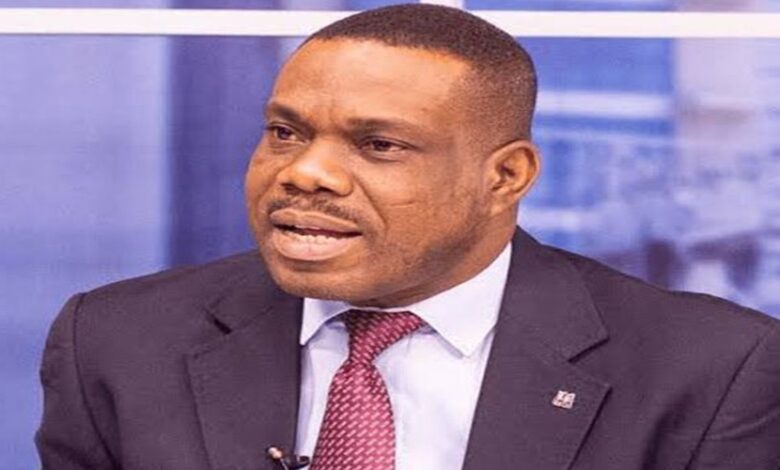
Speaking at a press conference in Accra yesterday, 11 September 2025, Senior Fellow at the IEA, Dr Eric Oduro Osae, stressed the need for a comprehensive transition framework to move the mining sector toward full Ghanaian ownership.
He argued that such an approach would ensure greater value retention, long-term national benefits and sustainable management of the country’s mineral wealth.
“The government should adopt a policy prohibiting the granting of new mining leases or the extension of existing ones to foreign entities. Instead, strategic partnerships must be developed to ensure local control, while foreign expertise, where necessary, is only engaged through transparent and time-bound service contracts,” Dr Oduro Osae said.
Dr Oduro Osae pointed to South Africa’s Black Economic Empowerment programme as an example of how domestic ownership in key sectors, including mining, can be expanded despite challenges.
The IEA further urged the Minerals Commission to consider only Ghanaian investors for new mining rights, particularly in relation to the Damang mine.
It acknowledged government’s recent decision to grant Goldfields Limited a one-year, non-renewable lease as a transitional measure but reiterated its preference for an immediate halt to leases for foreign entities.
Dr Oduro Osae highlighted the economic urgency of the reforms, noting that although Ghana’s gold exports reached USD11.6 billion in 2024, government revenues amounted to just USD2.3 billion, representing less than 20 per cent of total export value.
“At the heart of Ghana’s recurring economic crises is our inability to mobilise sufficient domestic revenue to finance development,” he said.
He stated that this shortfall has forced the country into a cycle of excessive borrowing and dependence on the International Monetary Fund (IMF) and World Bank.
Dr Oduro Osae noted that Ghana has undergone 18 IMF programmes since independence, yet the fundamental challenge of weak domestic revenue mobilisation remains unresolved.
The Senior Fellow warned that the country faces significant fiscal pressures beginning in 2027, when domestic bonds restructured under the debt exchange programme start to mature.
He urged government to act swiftly to diversify revenue sources through bold reforms in the mining sector, ensuring that Ghanaians fully benefit from the country’s vast mineral resources.



