

Debt cancellation not answer to Africa’s fiscal crisis — Banking consultant
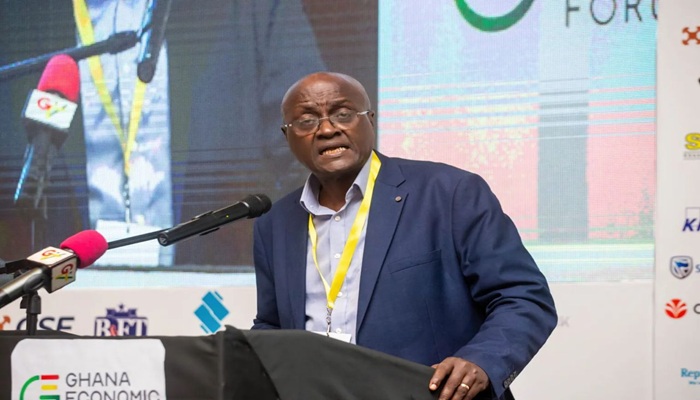
Banking consultant, Dr Richmond Atuahene, has cautioned against wholesale calls for the cancellation of Africa’s external debt, arguing that the continent’s persistent debt woes are rooted in fiscal indiscipline and weak investment practices rather than the size of its debt stock.
Africa’s external debt crossed USD1.3 trillion by the end of 2024, with average debt-to-GDP ratios climbing above 60 per cent.
Several economies, including Ghana and Zambia, have already been forced into restructuring agreements.
Speaking in an interview, Dr Atuahene maintained that blanket debt write-offs would not provide a sustainable solution, stressing the need for African governments to adopt stronger fiscal measures, mobilise domestic revenue and ensure that borrowed funds are channelled into projects that can generate returns.
“Let me put it blunt: we (Africans) borrow and consume instead of investing in capital projects that can pay themselves back. So I disagree with the mentality that debts should simply be cancelled,” he stated.
His comments come in the wake of a 29 August rally in Accra, organised by the African Regional Organisation of the International Trade Union Confederation (ITUC-Africa) in partnership with the Trades Union Congress (TUC-Ghana), which called for debt cancellation as a form of reparative justice.
Dr Atuahene, however, argued that such demands risk diverting attention from Africa’s deeper economic challenges, including low capital investment and poor fiscal discipline.
“African economies must shift from borrowing for consumption to borrowing for investment that drives growth and creates sustainable repayment capacity,” he emphasised.
Latest data from the International Monetary Fund (IMF) ranks Ghana as the fifth most indebted African country to the Fund, with outstanding credit of SDR 2.70 billion as of August 2025.
Egypt tops the list with SDR 7.18 billion, followed by Côte d’Ivoire (SDR 3.10 billion), Kenya (SDR 3.02 billion) and South Africa (SDR 2.89 billion).
Dr Atuahene added that while calls for debt relief reflect genuine concerns about Africa’s fiscal stress, long-term solutions require structural reforms, prudent financial management and investment in sectors capable of driving economic growth.



