Securing Ghana’s financial sector: A call for urgent support
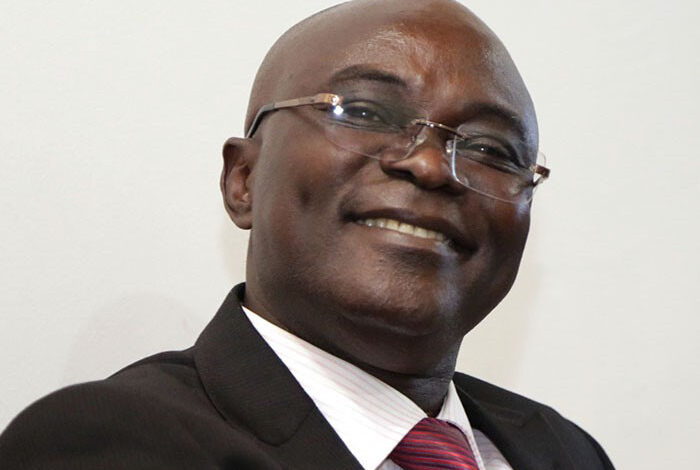
The warning from Dr. Raziel Obeng-Okon, an economist and adjunct lecturer at GIMPA, comes at a crucial time.
As Ghana’s financial sector seeks to stabilize following the Domestic Debt Exchange Programme (DDEP) and the earlier financial sector cleanup, many smaller financial institutions, including savings and loans companies and finance houses, continue to grapple with severe liquidity and recapitalization challenges.
Without decisive government intervention, these struggles could trigger wider disruptions, affecting depositors, small businesses, and ultimately the broader economy.
The financial sector cleanup initiated in 2017, while necessary to restore stability, was not without its casualties. Many smaller institutions collapsed, leaving countless Ghanaians with their funds locked up and confidence in non-bank financial entities severely diminished. While banks have rebounded with strong profitability, smaller institutions remain vulnerable, struggling to secure the liquidity needed to continue serving clients. This imbalance creates an unhealthy financial ecosystem where the stability of larger banks masks the fragility of smaller players essential for providing accessible financial services to underserved communities and small businesses.
Dr. Obeng-Okon rightly calls for a comprehensive government-led rescue package tailored to these struggling institutions. Such a package would ensure the financial services sector does not develop a tiered system where only large banks flourish, leaving savings and loans companies, finance houses, and microfinance institutions to fend for themselves amid challenging economic conditions. This package must include liquidity support, recapitalization opportunities, and perhaps a roadmap for restructuring institutions facing chronic cash flow constraints. Without these measures, the broader economic impact could be devastating, particularly for the individuals and SMEs that rely on these entities.
Beyond providing support, it’s crucial that the government and regulatory bodies take transparent steps to prevent a recurrence of the issues that initially destabilized these institutions. Regulatory oversight must be strengthened, with a focus on accountability and sustainable financial practices to safeguard against mismanagement. At the same time, to restore public confidence, regulators should communicate clearly about the measures they’re implementing and establish clear timelines for depositors to access locked funds.
The Ghana Gold Coin (GGC) initiative by the Bank of Ghana is a promising step towards expanding investment options for Ghanaians, providing a hedge against forex risks and creating an opportunity to diversify portfolios. However, the success of such products depends on the foundational stability of the sector. If liquidity crises and eroded trust persist, even innovative financial products may fail to gain traction. As Ghana continues its journey toward financial stability, the government’s attention must pivot to supporting these vulnerable institutions. A targeted rescue package is essential not just to avert an immediate crisis but to foster long-term economic growth.