Decentralize mining sector regulation – Dr Manteaw
DR. Steve Manteaw, an energy expert and member of the United Kingdom Ghana Gold Programme, has called for a more decentralized approach to regulating Ghana’s mining sector.
In an interview at a forum orgnised for political parties by Civil Society Organisations (CSOs) in the extractive space, Dr Manteaw highlighted the inefficiencies of the current centralized regulatory structure, stressing that the remote location of regulatory offices hinders effective enforcement of mining laws.
Dr. Manteaw pointed to the situation in the Upper West and Savannah Regions as a prime example of the challenges caused by centralized regulation. Currently, a single office of the Minerals Commission in Wa oversees mining activities in both regions, requiring officials to travel long distances to monitor operations in places like Bole, which is located in the Savannah Region. This arrangement, he argues, is impractical and undermines effective oversight.
“Having regulatory offices far from the actual mining sites weakens the ability to enforce laws effectively,” Dr. Manteaw said. He welcomed the Minerals Commission’s plan to open a new office in Bole to better serve the Savannah Region but expressed concern over the commission’s ability to staff these offices adequately.
“I’ve asked questions of the Minerals Commission as to whether they have the staff numbers to operate these new offices. Their response wasn’t encouraging, but I believe they’ll figure it out when the time comes. However, recruitment comes with costs.”
Instead of creating new offices, Dr. Manteaw suggested a more cost-effective solution: leveraging existing structures like the District Mining Committees. These committees already include representatives from various regulatory bodies and are well-positioned to oversee mining activities at the local level.
Utilizing these local structures, he argued, would be more efficient and less expensive than establishing new offices that require additional resources for staffing and maintenance.
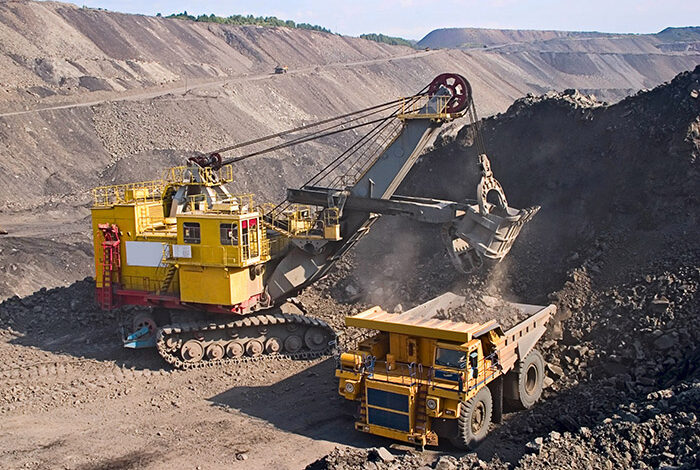
The expert’s call for decentralization comes at a time when Ghana is grappling with significant challenges in its mining sector, including illegal mining, known locally as ‘galamsey,’ and widespread environmental degradation.
Efficient regulation and monitoring are crucial to addressing these issues, and decentralization could help improve enforcement by bringing regulatory oversight closer to the areas where mining activities occur.
Dr. Manteaw’s remarks underscore the need for a more localized approach that not only enhances regulatory effectiveness but also empowers local communities to participate in the oversight of mining operations. This, he believes, would not only reduce costs but also ensure more sustainable mining practices across the country.