Construction activities surge
Story: Isaac AIDOO, Accra
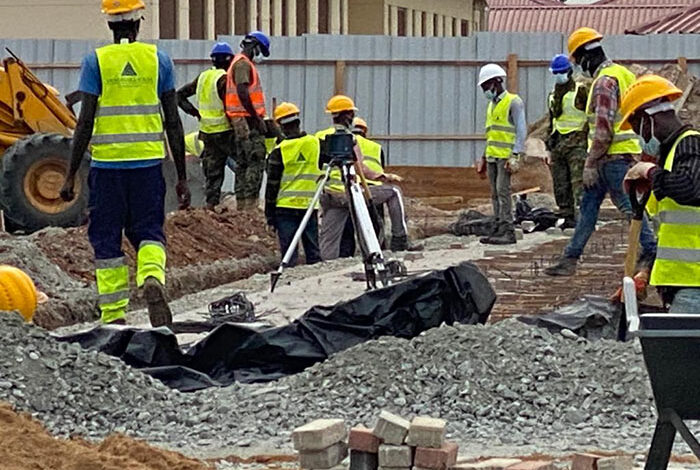
GHANA’S construction sector recorded a surge in activity in May 2024, reflected by a 10.6% increase in cement sales year-on-year, signalling a resurgence in building and infrastructure projects across the country, the Bank of Ghana’s Monetary Policy sector report has disclosed.
Cement sales rose to 235,050.55 tonnes in May, up from 212,584.38 tonnes in May 2023, driven by increased demand from ongoing construction projects.
Month-on-month improvement despite year-to-+date decline
On a month-on-month basis, total cement sales rose by 13.2% in May 2024 compared to 207,691.74 tonnes sold in April, indicating sustained momentum in construction activity. Despite this growth, the cumulative sales for the first five months of 2024 saw a marginal decline of 2.3%, with total sales reaching 1,132,654.32 tonnes, compared to 1,158,854.69 tonnes during the same period in 2023. This slight dip could be attributed to earlier supply chain disruptions and rising costs within the sector.
Factors driving growth in the construction sector
The year-on-year increase in cement sales can be linked to new government infrastructure projects, the expansion of urban residential areas, and increased private sector investment in real estate. Ghana’s government has also announced plans to boost housing infrastructure, which will likely fuel cement demand in the medium term.
Recent reports indicate that the real estate sector is showing signs of recovery after facing challenges in the last two years due to high inflation and increasing costs of materials. Construction companies are now benefitting from improved supply chains and slightly more stable commodity prices. However, concerns remain over the rising cost of inputs such as steel and imported cement.
Challenges facing the cement industry
The Ghanaian cement industry continues to face challenges, particularly related to the fluctuating cost of production. Factors such as currency depreciation, high import costs for raw materials, and the increasing prices of energy and transport have pushed up the price of cement. This has led to concerns from both industry players and contractors, as it directly impacts the cost of construction and housing projects.
Additionally, cement producers have raised concerns over the influx of imported cement, which competes with locally produced cement. Industry leaders have called for stronger policies to protect local manufacturers and ensure price stability in the face of market volatility.
Outlook for the cement and construction industry
Looking ahead, the cement industry is expected to maintain its recovery as the government rolls out more infrastructure projects and demand for housing grows. In line with Ghana’s industrialization agenda, some local cement manufacturers are expanding capacity to meet growing demand. There are also calls for more sustainable construction practices, including green building initiatives that could reshape the sector. With construction activity showing a rebound in recent months, industry players are optimistic that the second half of 2024 will see steady growth in cement sales, helping the sector recover from earlier downturns and cement its position as a key contributor to Ghana’s economic development.