

Cedi@60: Prez. Mahama Reaffirms Commitment to Safeguarding Bank of Ghana’s Independence
By Praisebell Rosemond Larbi
President John Dramani Mahama has reaffirmed his firm commitment to protecting the operational and decision-making independence of the Bank of Ghana, arguing that an autonomous and professionally driven central bank remains indispensable to sustaining Ghana’s long-term macroeconomic stability.
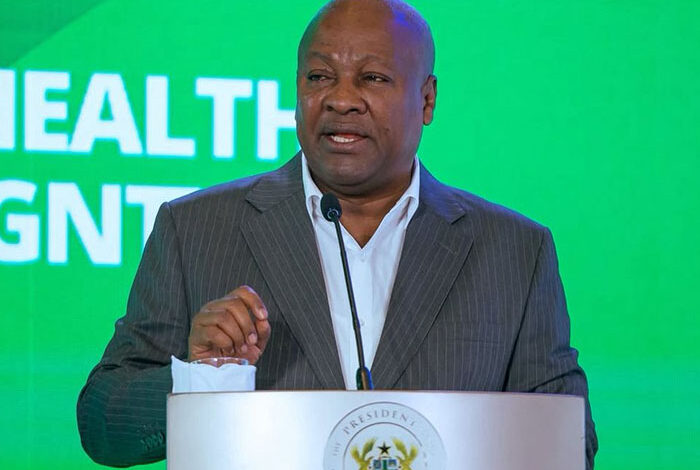
Speaking at the Cedi@60 International Currency Conference in Accra, an event that convened policymakers, economists, academics, and financial sector executives, the President lauded the central bank for what he described as “remarkable, hard-won progress” in stabilising the Ghanaian currency after years of volatility and economic shocks.
According to President Mahama, the country’s recent macroeconomic gains are neither coincidental nor the product of political convenience. Rather, he asserted, they reflect “difficult choices, disciplined economic management, and the Bank of Ghana’s unwavering adherence to its statutory mandate.” He stressed that these gains will only be preserved if the central bank is allowed to operate free from undue political influence.
“Our economy is entering a new phase of recovery, and this progress is not by accident. It is the result of tough decisions, prudent management, and the Bank of Ghana’s resolve to stay true to its mandate. My commitment is simple: the Bank of Ghana must continue to function independently,” he said.
The President emphasised that a credible and dependable central bank is central to building investor confidence, supporting private sector expansion, and reinforcing Ghana’s standing within the regional financial architecture. He warned that the country cannot afford a return to policies or actions that weaken monetary discipline or expose the Cedi to destabilising pressures.
Mahama highlighted his administration’s continued support for the Bank of Ghana’s efforts to contain inflation, strengthen fiscal-monetary coordination, and promote a currency regime anchored in transparency and predictability. A stable Cedi, he argued, is not merely about pushing for nominal appreciation but ensuring that the fundamentals inspire trust among businesses and ordinary citizens.
“A stable Cedi is not about making the currency artificially strong. It is about consistency, confidence, and safeguarding the purchasing power of ordinary Ghanaians,” he explained.
The President also congratulated the central bank on its 60-year milestone, commending its role in shaping Ghana’s monetary architecture since independence. He described the anniversary as a significant reminder of the institution’s responsibility in defending Ghana’s economic sovereignty and ensuring that policy decisions reflect long-term national interests.
The Cedi@60 International Currency Conference brought together experts from across Africa and beyond to examine strategies for strengthening currency resilience, enhancing the credibility of central bank policies, and advancing future monetary integration within the continent. The discussions underscored the increasing importance of institutional independence in delivering sustainable economic outcomes for African economies



