Global oil prices, not government, driving fuel hikes – Financial Analyst
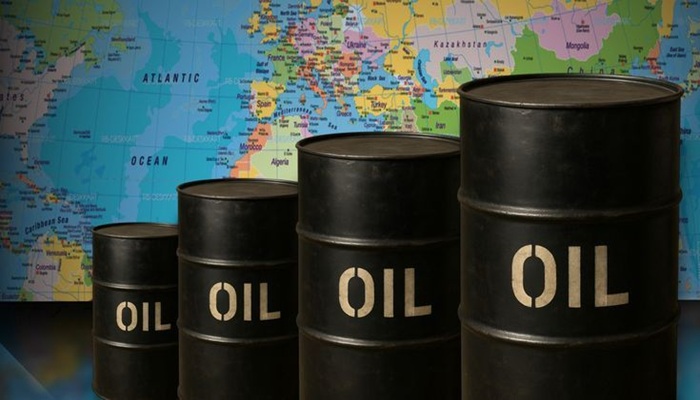
Financial Analyst John Kyei has attributed the recent increases in fuel prices to rising global crude oil prices, rather than government policy, following heightened tensions between the United States and Iran.
He said the development was largely a result of movements in the international oil market, which have fed into domestic pump prices under Ghana’s deregulated petroleum pricing regime.
Speaking on the Business Breakfast on Zed FM with host, Nii Trebi Hammond, Mr Kyei said the recent trend should not be a source of excessive concern, arguing that global oil prices have already begun to respond positively.
“We all need to understand that what is currently happening is as a result of the world oil price moving up as a result of the U.S.-Iran war,” he said.
According to him, the easing of international crude oil prices could eventually translate into lower fuel prices in Ghana, provided other market conditions remain favourable.
He therefore urged the public to exercise patience, saying he expects the current price pressures to be temporary.
“I think we need to be a bit patient. I’m very sure that the government is working around the scene to come in to support and bring the price down a bit for all of us,” Mr Kyei said.
Government not to blame
Mr Kyei also pushed back against calls to blame government for the recent fuel price increases, stressing that petroleum pricing in Ghana operates under a deregulated framework.
“I don’t think it would be fair to blame government because it’s a deregulated area where government monitors the pricing of these fuel prices,” he said.
He explained that while government monitors developments in the petroleum market, the pricing mechanism is influenced by factors beyond its direct control, particularly international crude oil prices and movements in the exchange rate.
Mr Kyei noted that the relative stability of the Ghana cedi could also help reduce pressure on domestic fuel prices if international oil prices continue to ease.
“Cedi is a bit stabilised. I don’t think it’s something we should worry too much about,” he said.
Call for greater transparency from BDCs
While defending government against direct responsibility for the price increases, Mr Kyei called for greater transparency from Bulk Distribution Companies (BDCs) in the pricing of petroleum products.
He said consumers need clearer information on the factors driving changes in pump prices, particularly when prices are adjusted frequently.
“But I think the BDCs need to be more transparent with their pricing, so that we understand what is moving the current price hike,” he said.
His comments come amid renewed concerns among motorists and businesses over frequent adjustments in fuel prices and their implications for transport costs, household expenditure and the wider cost of doing business.
Mr Kyei’s assessment suggests that a sustained decline in global crude oil prices, alongside relative stability in the cedi, could provide some relief to consumers in the coming pricing cycles.