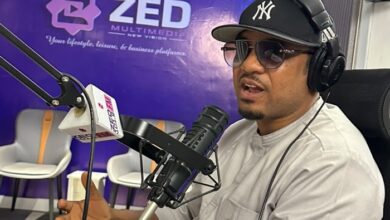
Shatta Wale Explains Why He Chose Independence Over Record Labels

Award-winning Ghanaian dancehall artiste Shatta Wale has opened up about his decision to remain an independent musician throughout his career, saying his ability to manage key aspects of the music business has allowed him to build a sustainable brand without relying on a traditional record label.
According to the “On God” hitmaker, he realised early in his career that he was already performing many of the functions typically handled by record companies, prompting him to develop the technical and business skills needed to operate independently.
“I found out I was doing everything a record label needed. Producing my own beats, mixing them, mastering them, doing my own flyers, uploading them on YouTube myself and on other stores myself because I’m a tech person, so I learnt all those things,” he said.
Shatta Wale explained that managing his own production, promotion and digital distribution enabled him to generate income directly, reduce unnecessary costs and invest his earnings in other ventures.
“I saw it from like 10 years ago that I could run myself properly and make money. I’ve been able to build that, save those monies… So I’ve flipped the money,” he stated.
Despite his commitment to independence, the musician acknowledged the important role record labels play in helping artistes reach international audiences through financial backing, marketing support and industry connections.
However, he cautioned emerging musicians to fully understand the financial obligations and ownership arrangements that often accompany record deals.
“The advantage is that they can push you to become a superstar, but it’s up to you to maintain it. The money they put into you, you have to put it at the back of your mind that they are going to get a lot from you,” he noted.
Shatta Wale added that his years of experience and ownership of his music catalogue have placed him in a stronger position should he decide to enter into a partnership with a record label in the future.
He stressed that retaining ownership of his masters and intellectual property would remain a key consideration in any future negotiations.
His comments highlight the growing conversation around artist independence, financial literacy and ownership in the music industry, where many creatives are increasingly seeking greater control over their careers and long-term earnings.