

Middle East Tensions Keep Fuel Market on Edge
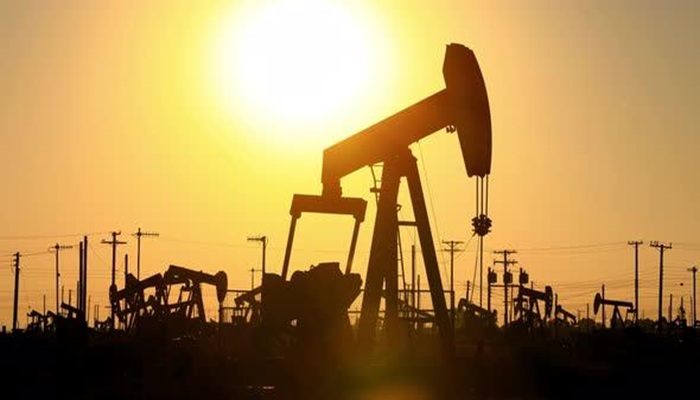
Fresh geopolitical tensions in the Middle East are expected to keep global oil markets volatile, with Ghana’s downstream petroleum sector facing continued uncertainty over fuel pricing, Chief Executive Officer of COMAC, Dr Riverson Oppong, has cautioned.
The renewed strain in relations between the United States and Iran, following the breakdown of ceasefire efforts, has reignited concerns over possible disruptions to global crude oil supplies. The development has unsettled international energy markets, with investors closely monitoring both diplomatic and military developments for signals on the direction of oil prices.
For Ghana, which depends heavily on imported refined petroleum products, sustained volatility in global crude prices could translate into unpredictable fuel prices, tighter margins for industry players and greater planning challenges across the supply chain.
Speaking in a media interview, Dr Oppong said the collapse of the latest peace efforts did not come as a surprise, describing uncertainty as the defining characteristic of the conflict in recent months.
“Personally, I wasn’t shocked to hear the turnaround of the peace deal because we’ve lived within this uncertainty for the past months, and only Trump knows when he’s going to ceasefire, or probably only Iran knows when they’re actually going to ceasefire,” he said.
He explained that the unpredictable nature of the geopolitical situation continues to expose Ghana’s downstream petroleum industry to significant market risks, as fluctuations in international oil prices directly affect the operations of both Oil Marketing Companies (OMCs) and Bulk Distribution Companies (BDCs).
According to Dr Oppong, industry operators are generally better positioned to manage rising fuel prices because additional costs can be transferred to consumers. Declining prices, however, present a more difficult commercial challenge, particularly for companies holding higher-cost inventories.
“As far as revenue is concerned, it is a bit easier when prices are moving up, but when prices are going down, it is a bit deadly, not only to the OMCs but to the BDCs as well,” he said.
He noted that businesses often face substantial losses when petroleum products are imported at elevated international prices, only for the market to experience a sharp decline before those products are sold locally.
“Imagine buying at a higher price within a window, and you wake up, and the next window price has gone down. You’ve knocked your price,” he explained.
Dr Oppong also questioned the practicality of using hedging as a risk management tool within Ghana’s retail fuel market, arguing that although the strategy is frequently recommended, it is not easily implemented by retail operators.
“We can talk about hedging and all that stuff, but with the retail business, it’s a bit difficult to hedge,” he said.
His remarks come at a time when Ghana’s petroleum industry is closely watching developments in the Middle East amid renewed concerns over the stability of global energy supplies. Market analysts believe any prolonged escalation in the US-Iran standoff could sustain volatility in crude oil prices, with direct implications for domestic fuel prices and the financial performance of downstream petroleum companies.
Dr Oppong maintained that until greater geopolitical stability is restored, fuel marketers in Ghana will continue to operate under uncertain conditions where abrupt movements in international oil prices remain a persistent business risk.



