Guinea Bans Raw Gold Exports
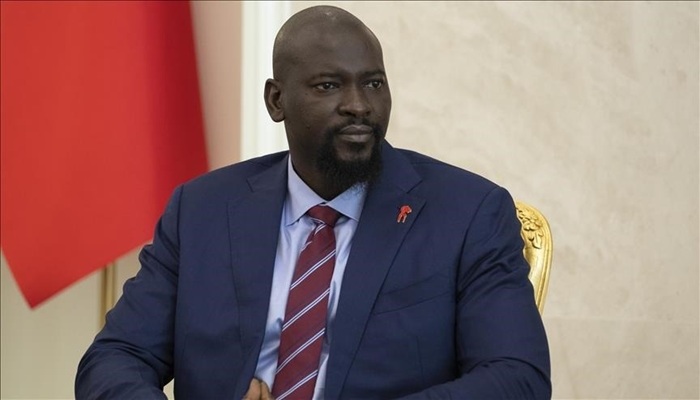
Guinea has announced a ban on the export of raw gold as part of a new policy to increase domestic processing of the country’s most valuable natural resource. President Mamadi Doumbouya said the decision is aimed at ensuring that the wealth generated from gold contributes directly to national development.
“The people of Guinea deserve to see their wealth contribute to their development,” the President declared, stressing that the country must take control of its mining sector and maximize the value of production.
The ban comes at a time when Guinea is preparing to commission its first gold refinery. The Nimba Gold Refinery, located just outside the capital Conakry, is near completion and will have the capacity to process about 250 tonnes of gold each year. Officials say the refinery will allow Guinea to add value locally, create jobs, and increase government revenue.
Foreign companies operating in Guinea have been warned that they risk losing their licenses if they attempt to export raw gold in violation of the directive. However, most of the country’s gold is mined by small scale artisanal miners, who are harder to regulate. Authorities acknowledge that enforcing the ban among artisanal miners will be a challenge, but insist that the new policy is necessary to protect national interests.
The move aligns Guinea with other African countries that have already taken similar steps. Tanzania and Uganda have banned the export of raw gold, while Ghana has announced plans to stop exporting unprocessed gold by 2030. Analysts say these measures reflect a growing trend across the continent, where governments are seeking to capture more value from their mineral resources instead of exporting them in raw form.
President Doumbouya’s government has made mining reform a central part of its economic agenda. Gold is one of Guinea’s largest exports, alongside bauxite and iron ore, and plays a critical role in the country’s economy. By insisting on local refining, the government hopes to strengthen revenue streams, reduce dependence on foreign markets, and encourage industrial growth.
The President’s announcement has also been welcomed by advocates of resource nationalism, who argue that African countries must take bold steps to ensure that natural wealth benefits citizens rather than leaving the continent in raw form.
Guinea’s new policy is expected to attract investment into refining and related industries, while also encouraging partnerships with international firms willing to support local value addition.