

Electricity and Water Tariff Hikes: Relief or Another Burden for Ghanaians?
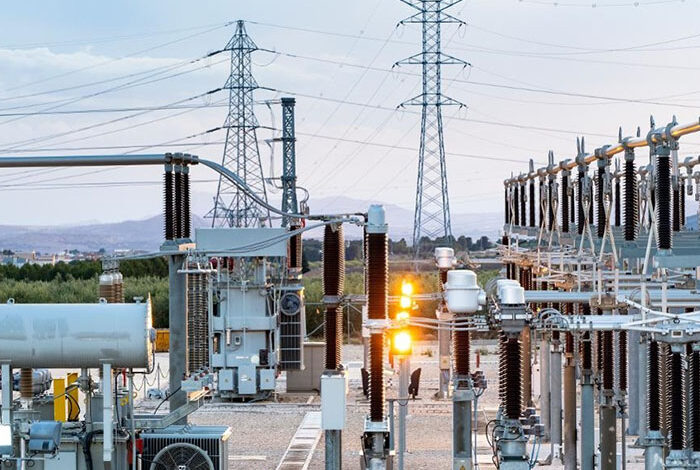
The announcement of upward adjustments in electricity and water tariffs has once again placed Ghanaian households and businesses at the centre of a familiar national debate: is this the right time for price increases on essential utilities?
For many consumers, the timing feels difficult. For utilities providers and regulators, the adjustments are often presented as unavoidable. But between these two positions lies a broader economic question, how do tariff hikes affect cost of living, business survival, and overall economic stability?
Utility providers argue that tariff adjustments are necessary to reflect rising operational costs, including exchange rate pressures affecting imported equipment and fuel, maintenance of aging infrastructure, expansion of generation, transmission, and distribution networks, debt accumulation in the utility sector and inflationary pressures across the economy.
Without periodic reviews, utility companies risk financial instability, which can lead to unreliable supply of electricity and water. For the average Ghanaian household, electricity and water are not luxury services, they are basic needs.
Any upward adjustment means: higher monthly bills, reduced disposable income, pressure on small household budgets and increased cost of cooking, lighting, and basic domestic activities. In many homes already dealing with rising food and transport costs, utility hikes add another layer of financial strain.
For businesses, especially small and medium enterprises, utility costs are a critical input cost. Electricity-dependent sectors such as: manufacturing, cold storage and food processing, hair salons and barbering shops and hospitality and catering services are directly affected.
When tariffs rise, businesses often respond by increasing prices, which then feeds into broader inflationary pressures. This is how utility adjustments move from individual bills to national economic indicators.
Utility tariffs play a significant role in Ghana’s inflation dynamics. When electricity and water prices increase, the ripple effect is felt across production, transport, and service delivery.
Even if inflation is moderating in other areas, utility hikes can slow down the pace of price stability. This is particularly important for monetary authorities like the Bank of Ghana, which closely monitors inflation trends when making policy decisions.
In simple terms: higher utility costs make it harder to fully stabilise prices in the economy.
The timing of tariff increases is always controversial. When the economy is still recovering from inflationary pressures and cost-of-living challenges, households expect relief rather than additional burdens.
However, delaying tariff adjustments for too long can also create: accumulated debt in the utility sector, poor service delivery, power instability and reduced investment in infrastructure. This creates a policy dilemma: protect consumers now, or secure long-term sustainability of utilities? A key issue often overlooked in the tariff debate is efficiency.
Before passing full cost burdens onto consumers, questions must be asked: Are utilities operating efficiently? Are technical and commercial losses being reduced? Is revenue being properly collected and managed? And are there unnecessary system inefficiencies?
Without addressing these issues, tariff hikes risk becoming a recurring solution to structural inefficiencies. The Social Impact Cannot Be Ignored. Utility services affect everyone, but not equally.
Low-income households feel tariff increases more sharply because a larger share of their income goes into basic consumption. For them, even small increases can force difficult trade-offs between essentials like food, transport, and utilities.
This raises an important policy concern: how do we protect vulnerable groups while maintaining cost-reflective pricing? Electricity and water tariff increases may be economically justified from a sustainability standpoint. Utilities cannot operate indefinitely under financial strain.
However, the broader question is not just whether tariffs should go up, but how the burden is shared and whether efficiency improvements are being made alongside the increases. For many Ghanaians, the concern is not only the rise in tariffs, but also the feeling that every adjustment adds pressure without visible improvement in service quality.
Ultimately, sustainable utility pricing must balance three things; financial viability of providers, economic stability and household affordability Until that balance is achieved, every tariff hike will continue to feel like another burden rather than a step toward progress.



