How a Nation Reclaimed Stability and Repositioned Itself in the Global Economy

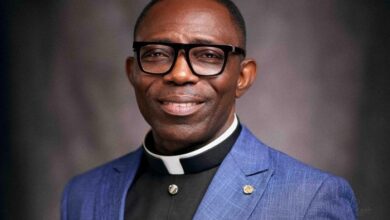
By Prof. Samuel Lartey
www.pefghana.org
sammylaatey@gmail.com
Introduction
In the theatre of global economics, few stories are as fascinating as Ghana’s recent transformation. Only a few years ago, the nation was battling soaring inflation, a rapidly depreciating currency, mounting public debt, and declining investor confidence. Headlines were dominated by concerns over economic instability, debt sustainability, and the rising cost of living.
Today, however, a different story is unfolding.
Ghana is increasingly being recognised as one of Africa’s most remarkable economic recovery cases. The nation has moved from economic distress to renewed optimism, powered by policy reforms, resilient institutions, strong commodity exports, and strategic international partnerships.
Yet beyond the encouraging statistics lies a deeper question. Is Ghana merely recovering from a crisis, or is it laying the foundation for sustained prosperity and global competitiveness?
The answer may determine the country’s economic destiny for decades to come.
The Great Turnaround: From Economic Storm to Emerging Stability
The years between 2022 and 2023 represented one of the most difficult periods in Ghana’s modern economic history.
Inflation surged beyond 50 per cent.
The Ghana cedi experienced significant depreciation.
Public debt levels became unsustainable.
Investor confidence weakened.
Households and businesses faced severe financial pressures.
Many feared that the country’s economic gains accumulated over decades were under threat.
However, through a combination of difficult reforms and international support, Ghana embarked on a path of economic stabilisation.
By 2026, the picture had changed considerably.
• Economic growth has recovered to approximately 5 per cent.
• Inflation has fallen dramatically into single digit territory.
• Foreign exchange reserves have strengthened.
• Public debt levels have become more manageable.
• Investor confidence has gradually returned.
This remarkable reversal demonstrates that economic crises, while painful, can also become catalysts for meaningful reform.
Gold, Cocoa and Oil: The Three Pillars of Ghana’s Economic Engine
Every economy has sectors that drive growth and generate national wealth. For Ghana, three commodities continue to shape economic fortunes.
1. Gold
Gold remains Ghana’s most valuable export and a major source of foreign exchange earnings.
As Africa’s leading gold producer, Ghana has benefited enormously from elevated global gold prices. The precious metal has become a critical stabilising force during periods of economic uncertainty.
Gold exports have helped:
• Strengthen foreign reserves.
• Support the value of the cedi.
• Improve the country’s trade balance.
• Increase government revenues.
• Enhance investor confidence.
2. Cocoa
For more than a century, cocoa has been intertwined with Ghana’s economic identity.
The country remains one of the world’s largest cocoa producers and exporters. Millions of livelihoods depend directly or indirectly on the cocoa value chain.
However, climate change, ageing farms, crop diseases, and illegal mining activities continue to threaten production levels and long term sustainability.
3. Crude Oil
Since the discovery of commercial oil in 2007 and the commencement of production in 2010, petroleum exports have become an important contributor to national revenue.
Although oil production remains significant, fluctuations in global energy markets continue to expose Ghana to external vulnerabilities.
Together, these three commodities continue to provide the backbone of Ghana’s export economy.
Why the Cedi Matters More Than Most People Think
Few economic indicators affect citizens more directly than the value of a country’s currency.
When the cedi weakens, imported goods become more expensive. Fuel prices rise. Food inflation increases. Business costs escalate.
Conversely, when the currency stabilises, households experience relief and businesses can plan with greater confidence.
Recent improvements in Ghana’s external position have contributed to a stronger and more stable cedi.
The country’s foreign reserves now exceed five months of import cover, providing an important shield against global economic shocks.
This stability is not merely a technical achievement. It directly influences the daily lives of millions of Ghanaians.
Ghana’s Growing Influence Beyond Its Borders
Economic strength is not measured solely by the size of an economy.
Influence also matters.
Ghana has increasingly become a strategic player within Africa and the broader international community.
Several factors contribute to this growing prominence.
• Stable democratic governance.
• Peaceful political transitions.
• Strong diplomatic reputation.
• Expanding financial and digital sectors.
• Strategic location within West Africa.
• Hosting of the African Continental Free Trade Area Secretariat in Accra.
The African Continental Free Trade Area represents one of the most ambitious economic integration projects in modern history.
By serving as host nation for its Secretariat, Ghana occupies a unique position at the centre of Africa’s economic future.
The Digital Economy: Ghana’s New Frontier
While gold, cocoa and oil dominate discussions about Ghana’s economy, a quieter revolution is taking place.
Technology is becoming an increasingly important pillar of growth.
Across the country, digital innovation is reshaping commerce, finance, education, healthcare and entrepreneurship.
Areas experiencing rapid expansion include:
• Mobile money services.
• Financial technology platforms.
• Digital commerce.
• Artificial intelligence applications.
• Business process outsourcing.
• Technology start ups.
This transformation presents Ghana with an opportunity to diversify away from excessive dependence on commodities and build a knowledge-based economy.
The Challenges That Refuse to Disappear
Despite positive developments, several structural obstacles continue to constrain national progress.
1. Youth Unemployment
Every year, thousands of graduates enter the labour market seeking opportunities.
The challenge remains creating sufficient high-quality jobs capable of absorbing a growing workforce.
2. Infrastructure Deficits
Economic growth requires modern infrastructure.
Significant investment remains necessary in:
• Energy generation.
• Transportation networks.
• Rail systems.
• Water supply.
• Digital connectivity.
• Industrial development zones.
3. Poverty and Regional Inequality
Economic growth does not automatically guarantee prosperity for all citizens.
Many rural communities continue to face developmental challenges, particularly in northern Ghana.
4. Climate Change
Agriculture remains highly vulnerable to changing weather patterns, prolonged droughts, flooding and environmental degradation.
The long-term consequences of climate change pose significant risks to food security and export earnings.
What the Future Could Look Like
The next decade may prove decisive for Ghana’s economic trajectory.
If current reforms continue and diversification accelerates, several opportunities could emerge.
• Expansion of manufacturing industries.
• Growth in value-added agricultural processing.
• Increased foreign direct investment.
• Greater participation in continental trade.
• Expansion of green energy projects.
• Development of a globally competitive digital economy.
The challenge will be transforming macroeconomic stability into inclusive prosperity that benefits all citizens rather than a limited segment of society.
Conclusion
Ghana’s economic journey is a powerful reminder that nations are not defined by their crises but by their response to them.
The country’s recovery from one of the most challenging periods in its economic history demonstrates resilience, adaptability, and the effectiveness of determined reform. Falling inflation, stronger growth, improving fiscal discipline, and renewed global confidence all point towards a more stable future.
Yet the true measure of success will not be found solely in GDP growth rates, debt ratios, or foreign reserves. It will be found in the ability of the economy to create jobs, reduce poverty, improve living standards, and provide opportunities for future generations.
As Ghana stands at the crossroads of opportunity, the nation possesses the resources, talent, and strategic advantages necessary to become one of Africa’s most influential economic success stories. The choices made today will determine whether the current recovery becomes a temporary rebound or the beginning of a lasting economic renaissance.