Over 360 Boko Haram Hostages Freed in Borno State
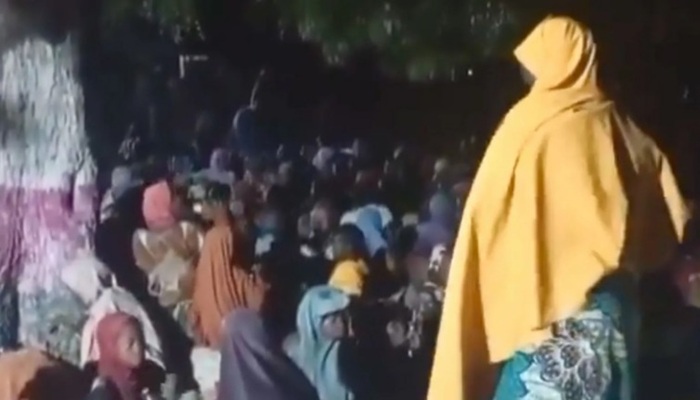
At least 360 people kidnapped by Boko Haram militants in March from Ngoshe, a mainly Muslim community in Nigeria’s north east Borno State, have been freed from a remote mountain hideout. The release marks one of the largest mass rescues in recent years, though the circumstances remain disputed.
The Nigerian Army says it carried out a major intelligence led operation at Mandara mountains, surprising the insurgents “under cover of darkness.” According to military spokesperson Lt Col Haruna M. Sani, advancing troops used speed and overwhelming force, forcing several militants to flee while others surrendered. He described the assault as one of the army’s most significant hostage rescue missions in the region.
However, the Borno South Youth Initiative claims it mediated the unconditional release, putting the number of freed captives at 416. Its president, Samaila Kaigama, told journalists that his group had been in contact with the militants and had long advocated for the hostages’ freedom. He criticised government officials for “claiming glory” for what he said were community efforts.
Videos released by the military on Sunday showed freed captives sitting under trees overnight. Local officials assured them that security measures were being taken so they could safely return to their farms. Some of those abducted are believed to have escaped into Cameroon, with efforts underway to bring them back.
The hostages are receiving medical care, though authorities confirmed that two infants died from exhaustion during captivity. Daniel Bwala, special adviser to President Bola Tinubu, said the government commended the troops for their bravery despite ongoing criticism over insecurity across Nigeria.
Mass abductions have become a common tactic for Boko Haram and other armed groups, often used to raise funds through ransom payments. Nigeria outlawed ransom payments, but analysts say desperate families and intermediaries sometimes pay, fuelling further kidnappings. Boko Haram first gained global notoriety in 2014 when it kidnapped more than 200 schoolgirls from Chibok.
Since then, splinter groups have targeted schools, churches, mosques, and remote villages. Although Boko Haram no longer controls large territories as it once did, it remains active and dangerous. Nigeria continues to face overlapping security threats, including Islamist insurgency, kidnapping gangs, land disputes, and separatist unrest.
Earlier this year, U.S. soldiers deployed to Nigeria to train local forces and provide intelligence support. Last month, Nigeria and the U.S. announced they had killed a senior Islamic State leader in a joint operation.