Brick by Brick: When Building Costs Propel Strengthening Ghana’s Growth Prospects
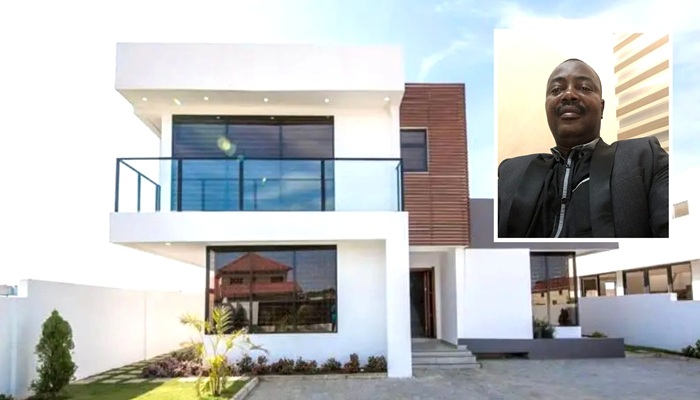
By Nathaniel Lomotey
Philanthropist and CEO, Nagmas Ltd., Ghana.
Introduction
In every growing economy, the construction sector serves as both a mirror and a motor of development. The houses people build, the factories businesses establish, the schools governments construct, and the hospitals communities depend upon all reflect the health of the broader economy. When construction costs become volatile, development slows. When costs stabilise, confidence returns.
Recent data from the Ghana Statistical Service (GSS) provides encouraging evidence that Ghana’s construction industry is entering a period of greater stability. According to the latest Prime Building Cost Index released on May 27, 2026, building inflation remained unchanged at 2.2 per cent in April 2026, unchanged from the same period in 2025. The index rose modestly from 133.2 to 136.1 over the twelve months, signalling that while prices continue to rise, they are doing so at a manageable pace.
The figures arrive at a critical moment for Ghana’s economy. Following years of inflationary pressures, currency volatility and global supply chain disruptions, the latest data suggests that one of the country’s most important productive sectors may be regaining its footing.
A Welcome Departure from Years of Cost Volatility
Only a few years ago, contractors, developers and homeowners were grappling with unprecedented increases in the prices of cement, steel, paints, electrical fittings and imported finishing materials.
The aftermath of the COVID-19 pandemic, the Russia-Ukraine conflict, global shipping disruptions, and rising fuel costs combined to create one of the most challenging operating environments the construction industry had experienced in decades.
According to global construction intelligence firm Turner & Townsend, construction costs in many emerging and developed economies rose by between 6 percent and 15 percent annually between 2021 and 2024. Several African markets recorded even higher increases due to currency depreciation and import dependency.
Against this backdrop, Ghana’s current building inflation rate of 2.2 percent represents a significant moderation. For developers and investors, this translates into improved cost predictability, better project planning and reduced exposure to budget overruns.
More importantly, it signals growing macroeconomic stability, which remains one of the most critical ingredients for sustainable infrastructure development.
The Hidden Story Behind the Numbers
While the headline inflation figure appears modest, a deeper examination reveals important shifts occurring within the construction value chain.
The Ghana Statistical Service identifies glazing, plumbing, roofing sheets and electrical works as the primary contributors to construction inflation.
• Glazing costs increased by 16.2 percent.
• Plumbing materials rose by 14.5 percent.
• Roofing sheets recorded inflation of 13 percent.
• Electrical installations experienced significant price pressures.
These increases are not coincidental.
Most of these components rely heavily on imported inputs. Glass products, specialised sanitary fittings, roofing materials, electrical cables and modern fixtures are often sourced from international markets. As a result, they remain vulnerable to fluctuations in global commodity prices, freight costs and exchange rate movements.
This means that while structural construction materials may be experiencing relative stability, finishing materials continue to face inflationary pressures.
For developers, the challenge is no longer simply building structures. The greater cost pressure increasingly emerges during the completion and finishing stages of projects.
What the Data Means for Ghana’s Housing Market
Ghana faces an estimated housing deficit exceeding 1.8 million units, according to industry estimates. Rapid urbanisation, population growth and rising demand for affordable housing continue to place pressure on the property market.
The latest construction inflation figures offer cautious optimism for addressing this challenge.
Stable construction costs provide developers with greater confidence to launch new residential projects. Financial institutions are also better positioned to assess lending risks when project costs become more predictable.
For prospective homeowners, the data suggests that the era of dramatic year-on-year cost escalations may be easing.
However, buyers and self-builders must remain mindful of the rising costs associated with plumbing systems, electrical installations and finishing works. These categories often account for a substantial portion of final project expenditure and can significantly influence overall construction budgets.
A homeowner planning a medium-sized residential project today may discover that while the cost of the structure itself remains relatively stable, the cost of modern finishing elements continues to rise at a much faster pace.
Infrastructure Development Stands to Benefit
The implications extend beyond individual housing projects.
Construction inflation directly affects government expenditure on roads, schools, hospitals, ports and public infrastructure.
The lower the rate of inflation within the construction sector, the greater the value governments can derive from capital expenditure budgets.
For Ghana, which continues to pursue ambitious infrastructure development goals, stable construction costs represent a strategic advantage.
The African Development Bank estimates that Africa requires infrastructure investments exceeding US$130 billion annually to close its development gap. Countries that successfully control construction inflation are often better positioned to deliver these investments efficiently.
Stable costs improve project feasibility, reduce procurement risks and increase the likelihood of timely project completion.
The Exchange Rate Factor
One of the most significant variables influencing construction costs remains the performance of the Ghana cedi.
Construction is among the sectors most exposed to foreign exchange risk because of its dependence on imported machinery, fittings, equipment and specialised materials.
Recent improvements in Ghana’s macroeconomic environment, including fiscal reforms, debt restructuring efforts and stronger external sector performance, have contributed to greater exchange rate stability.
This relative stability has helped cushion the construction industry from the severe inflationary shocks witnessed in previous years.
However, industry stakeholders recognise that maintaining currency stability remains essential for preserving gains in construction cost management.
Any significant depreciation of the cedi could quickly translate into higher costs for imported building components.
A Strategic Opportunity for Local Manufacturing
Perhaps the most important lesson from the latest inflation data is the need to strengthen domestic production of construction inputs.
The categories experiencing the highest inflation are largely those where Ghana remains heavily dependent on imports.
This presents an opportunity for policymakers and investors.
• Local glass manufacturing could reduce dependence on imported glazing products.
• Domestic production of plumbing accessories could improve supply chain resilience.
• Expanded roofing sheet manufacturing could lower costs and create jobs.
• Increased local production of electrical components could strengthen industrial capacity.
• Greater value addition within the construction supply chain could conserve foreign exchange.
Countries such as China, India and Vietnam transformed their construction sectors by developing strong domestic manufacturing ecosystems capable of supplying building materials at competitive prices.
Ghana has the potential to follow a similar path if investments in industrial capacity are sustained.
Why Investors Are Paying Attention
Real estate investors, pension funds and institutional developers closely monitor construction inflation because it directly affects project returns.
When inflation is moderate and predictable, investors can forecast revenues and expenses with greater confidence.
Stable construction costs also improve the attractiveness of long term projects such as commercial office developments, industrial parks, logistics facilities and residential estates.
In an era where investors are increasingly selective about where they deploy capital, economic stability remains one of the strongest competitive advantages a country can offer.
The latest GSS figures therefore send a positive signal to both domestic and international investors considering opportunities within Ghana’s property and infrastructure sectors.
Conclusion
The latest Prime Building Cost Index tells a story that extends far beyond bricks, cement and roofing sheets. It reflects an economy gradually regaining stability, a construction sector becoming more predictable, and an investment environment showing signs of renewed confidence.
Although inflationary pressures persist in specific categories such as glazing, plumbing and electrical works, the overall picture remains encouraging. Building inflation at 2.2 percent represents a significant improvement compared to the volatility experienced in recent years and provides a stronger foundation for housing development, infrastructure expansion and private sector investment.
For policymakers, the message is clear. Sustaining macroeconomic stability, strengthening the Ghana cedi and accelerating local manufacturing will be essential to preserving these gains.
For investors and developers, the figures offer reassurance that Ghana’s construction sector remains a promising avenue for long-term growth.
Ultimately, every stable brick laid today contributes to a stronger economic foundation tomorrow. In that regard, the latest construction inflation data may be signalling more than price stability. It may be signalling the gradual rebuilding of confidence in Ghana’s development future.