

NPA Raises Fuel Price floor for June Pricing Window
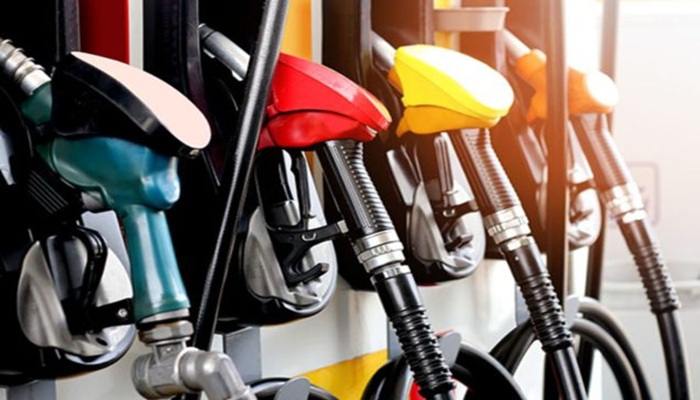
The National Petroleum Authority (NPA) has announced upward adjustments in the price floors for petrol and Liquefied Petroleum Gas (LPG) for the first pricing window of June 2026, while diesel prices are expected to record a slight decline.
The latest pricing outlook released by the Authority reflects developments on the international petroleum market as well as prevailing domestic market conditions.
According to the NPA, the petrol price floor for the first pricing window of June has been set at GH¢15.20 per litre, representing an increase of GH¢0.60 from the GH¢14.60 per litre recorded during the second pricing window of May 2026.
LPG prices are also expected to rise during the period under review. The new LPG price floor has been pegged at GH¢13.48 per kilogram, up from GH¢13.16 per kilogram in the previous pricing window, representing an increase of GH¢0.32.
Diesel, however, is projected to record a marginal decline. The diesel price floor has been set at GH¢15.49 per litre, compared to GH¢15.81 per litre in the second pricing window of May, reflecting a decrease of GH¢0.32.
The NPA explained that the price floor represents the minimum price at which petroleum products may be sold by Oil Marketing Companies (OMCs) and LPG Marketing Companies (LPGMCs).
In line with the Petroleum Products Pricing Guidelines (PPPG), all OMCs and LPGMCs are required to comply with the approved price floors throughout the pricing window.
The Authority further clarified that the approved price floors do not include premiums charged by International Oil Trading Companies (IOTCs), operating margins retained by Bulk Import, Distribution and Export Companies (BIDECs), or margins applied by marketers and dealers, as those are determined independently by the respective entities.
The latest adjustments come after government revised some of the fuel relief measures introduced earlier to cushion consumers from rising fuel prices linked to heightened tensions in the Middle East and increased global crude oil prices.
Under the revised intervention measures, government removed the GH¢0.36 per litre subsidy previously applied to petrol while reducing the GH¢2.00 per litre support on diesel to GH¢1.07 per litre beginning from the second pricing window of May.
Authorities indicated that the revised relief measures will remain in place for two pricing windows, after which government may review the intervention depending on developments in global oil markets and domestic pricing conditions.
Industry analysts say the increase in petrol and LPG price floors is likely to exert additional pressure on transport costs, household expenditure and business operating expenses if global crude oil prices remain elevated.
They also note that although the slight decline in diesel prices may provide limited relief for some commercial operators, overall fuel market conditions remain highly sensitive to geopolitical developments, exchange rate movements and fluctuations in international petroleum prices.
The adjustments come at a time when concerns over inflationary pressures continue to dominate discussions around Ghana’s macroeconomic outlook, particularly as rising energy costs remain a key driver of transport and utility prices across the economy.



