

AfDB Projects 5% GDP Growth for Ghana in 2026
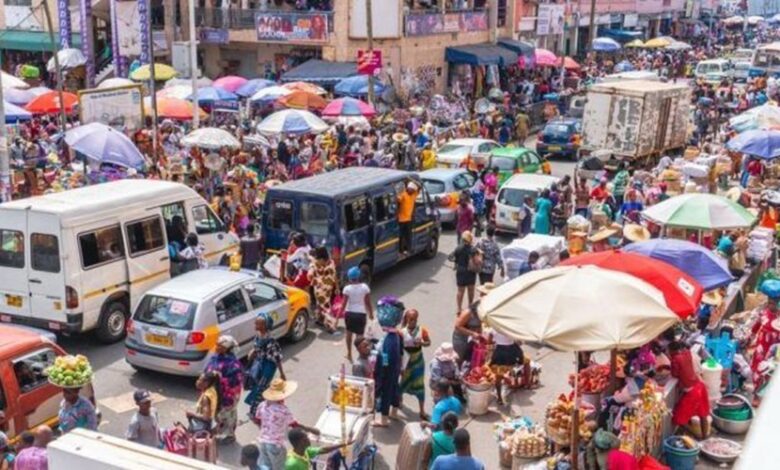
The African Development Bank (AfDB) has projected that Ghana’s economy will expand by 5.0 per cent in 2026, with growth expected to strengthen further to 5.4 per cent in 2027, signalling sustained recovery momentum and improving macroeconomic stability.
The forecast, contained in the AfDB’s flagship 2026 African Economic Outlook Report, places Ghana among the stronger-performing economies in the West African sub-region and slightly above earlier projections by the International Monetary Fund and the World Bank, which had estimated growth at about 4.8 per cent.
The Bank attributed the improved outlook to easing inflationary pressures, ongoing fiscal consolidation measures, and stronger external sector performance supported by commodity exports, particularly gold.
Inflation and fiscal outlook
The AfDB projects inflation in Ghana to moderate further, ending 2026 at around 9.0 per cent. While this is higher than the current lower single-digit readings reported in recent months, the Bank said the trajectory reflects a broader return to structural price stability after earlier macroeconomic disruptions.
On the fiscal side, the report expects continued improvement in public finances, with Ghana’s budget deficit projected to narrow from 2.6 per cent of GDP in 2026 to 2.2 per cent in 2027. This, it said, will be driven by enhanced revenue mobilisation and tighter expenditure controls.
Strong external buffers
Ghana’s external position is also expected to remain positive. The AfDB projects a current account surplus of about 3.0 per cent of GDP in 2026, easing slightly to 2.7 per cent in 2027.
According to the report, the sustained surplus reflects strong export earnings and relatively stable external inflows, which continue to support the country’s balance of payments position despite global uncertainties.
Regional context and risks
Across West Africa, the AfDB expects regional growth to average 4.7 per cent in 2026, underpinned by improved agricultural output, expanding agro-processing industries, and continued investment in infrastructure and regional integration projects.
However, the Bank cautioned that the outlook remains exposed to significant downside risks, including geopolitical tensions, volatile global energy and fertiliser prices, and persistent supply chain disruptions.
It urged African governments, including Ghana, to strengthen domestic revenue mobilisation, deepen intra-African trade under the African Continental Free Trade Area (AfCFTA), and improve fiscal discipline to reduce vulnerability to external shocks.
The AfDB stressed that sustained reforms will be key to locking in growth gains and ensuring long-term economic resilience across the continent.



