Ebola Health Facilities Under Attack
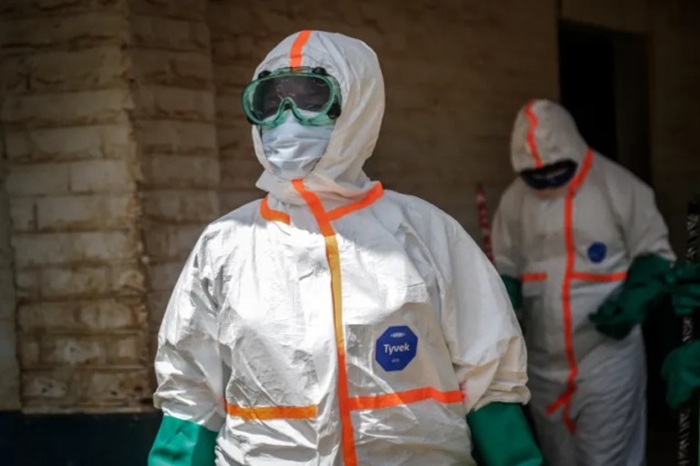
Attacks on Ebola health centres are increasing in the eastern Democratic Republic of the Congo (DRC), raising fears that the outbreak could worsen in both the DRC and neighbouring Uganda.
On Thursday, angry residents stormed the Rwampara health centre, demanding the bodies of relatives who had died from Ebola. Local sources and government partners confirmed the incident. A day later, tents provided by Doctors Without Borders at a hospital in Mongbwalu, Ituri province, were set on fire after tensions flared during the burial of a suspected Ebola patient.
The NGO Alliance for International Medical Action (ALIMA) said healthcare staff had isolated the body in line with strict protocols. While preparing the body for burial, violence broke out, leading to the destruction of two tents. ALIMA stressed that despite the incident, the team managed to secure the body for a safe and dignified burial.
Health workers in Ebola hit areas often face resistance from communities over strict burial rules. These rules require special handling of bodies to prevent further spread of the virus. Aid agencies say fear, rumours, and mistrust of medical teams fuel tensions.
Some residents believe Ebola is being exploited. “When healthcare providers refuse to hand over the bodies, people think they might be trafficking organs,” said Gloire Idriss, a resident of Rwampara.
Congolese Health Minister Roger Kamba reminded citizens that Ebola victims remain highly contagious. “Let us bury the deceased safely. The dead must not take others with them into the grave,” he said.
In eastern DRC, cultural traditions require families to gather and touch the body of the deceased. This has created painful clashes with health protocols. Lokana Jean, a resident of Mongbwalu, said she was unable to say goodbye to her daughter who died of Ebola. “It still upsets me that I had to watch her funeral helplessly without our cultural rites,” she said.
As of Saturday, the Ministry of Public Health reported nearly 180 deaths and close to 800 cases. Authorities in Ituri have introduced measures to slow transmission, including limits on public gatherings, suspension of wake services, and bans on moving bodies.
Experts warn that violence against treatment centres and patients fleeing before completing care could accelerate the spread. Dr. Rodriguez Kisando said rumours and misinformation are driving attacks. “If accurate information is not shared quickly, people will believe anything, and that is when violence takes hold,” he explained.
The response is under strain. With international aid declining, the Congolese treasury is covering much of the cost. ALIMA said resources for detection, treatment, and prevention remain inadequate. A senior official in Rwampara admitted centres are overwhelmed, receiving new confirmed cases almost daily.
Authorities are urging residents to wash hands regularly, avoid self medication, cook food thoroughly, and trust health teams.
The Africa Centres for Disease Control has placed 10 countries on high alert, including South Sudan, Rwanda, Kenya, Tanzania, Ethiopia, Burundi, Angola, the Republic of Congo, the Central African Republic, and Zambia.
Meanwhile, the DRC, Uganda, and South Sudan have agreed to strengthen cross border coordination with surveillance, early warning systems, and improved laboratory capacity to contain the outbreak.