

Create Open African Market to Accelerate Connectivity – Telecel Business Director
The Director of Enterprise Business and Wholesale at Telecel Ghana, Tawa Bolarin, has called on African governments and industry leaders to open markets and harmonise digital infrastructure policies to accelerate economic growth and deepen digital inclusion across the continent.
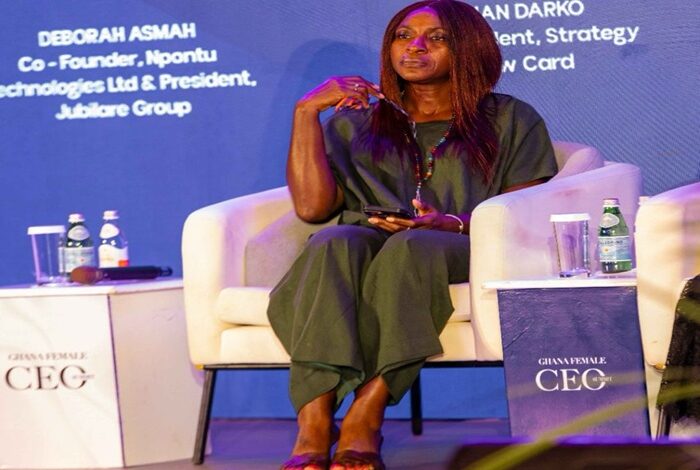
Speaking during a panel discussion at the 11th Ghana Female CEO Summit in Accra on the theme Women Building Africa’s Digital Ecosystem, Innovation and Inclusive Growth, Ms. Bolarin argued that Africa’s next phase of development will depend not only on expanding connectivity but also on enabling meaningful participation in the digital economy.
According to her, creating a more integrated digital environment across African countries would reduce barriers to trade, improve access to financial services and support greater movement of people, goods and services across borders.
“We need to ensure growth beyond our local environment and make access to markets, financial transactions and movement across the continent easier and without barriers,” she stated.
She explained that stronger regional integration and digital interoperability could accelerate economic transformation and unlock opportunities for millions of Africans who remain excluded from online commerce and digital services.
Highlighting Ghana’s experience, Ms. Bolarin noted that although connectivity coverage has improved significantly over recent years, digital participation remains constrained by limited access to smart devices.
“If we look at today and five years ago, connectivity borders on access and that hasn’t changed. Three-quarters of Ghana is covered by connectivity as of now, but smartphone penetration is at 46 per cent because half don’t have access to smart devices to be connected. If we can tackle that, more people can equally access and participate in the digital ecosystem,” she said.
Industry data indicates that while mobile broadband coverage now reaches most of Ghana’s population, smartphone adoption and digital literacy continue to vary widely, especially among women, rural populations and small businesses.
Ms. Bolarin emphasised that the challenge goes beyond physical infrastructure and increasingly depends on digital skills development and the ability of users to convert internet access into productive economic activity.
She warned that a growing gap exists between internet access and meaningful digital participation, particularly among women-led enterprises and small businesses that may lack the knowledge or capacity to maximise digital opportunities.
“People have access to the internet but don’t have the knowledge to convert that into a business tool. Technology keeps moving at a rapid pace, and the agility to be able to keep up with that pace requires commitment and support if we want more people to participate in the digital economy,” she added.
The panel brought together leading voices from technology, telecommunications and digital finance to discuss pathways toward a more inclusive African digital ecosystem.
Other participants included Akosua Annobil, who moderated the discussion, alongside Deborah Asmah, Gillian Darko and Estelle Akofio-Sowah.
Discussions focused on digital infrastructure, women-led innovation, fintech collaboration, connectivity expansion and strategies for improving digital access across underserved communities.
The summit, now in its 11th edition, has become one of Ghana’s prominent platforms for female executives, policymakers and entrepreneurs.
Held under the theme Women Driving Sustainable Business for a Resilient Africa, this year’s event examined the role of women leaders in shaping growth across sectors including technology, finance, manufacturing and telecommunications, while reinforcing the importance of inclusion in Africa’s digital transformation agenda.



