Government Announces End of IMF Bailout as Economy Shows Signs of Recovery
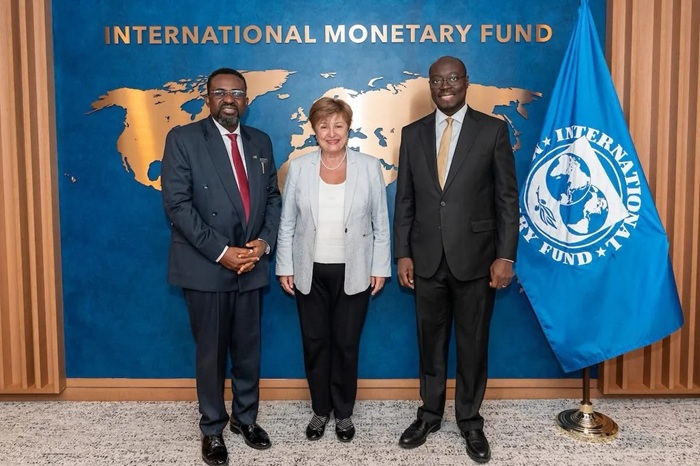
The Government of Ghana has officially announced the successful completion of the country’s Extended Credit Facility (ECF) programme with the International Monetary Fund (IMF), bringing Ghana’s bailout arrangement to an end ahead of schedule.
The move marks what the government describes as a significant milestone in Ghana’s economic recovery and signals a transition to a non-financing policy support framework.
In a statement issued by Presidential Spokesperson and Minister for Government Communications, Felix Kwakye Ofosu, the government said the successful conclusion of the programme reflects the restoration of macroeconomic stability and substantial progress towards debt sustainability.
According to the statement, the administration of President John Dramani Mahama implemented a series of aggressive fiscal and structural reforms following setbacks experienced under the programme at the end of 2024.
The measures included front-loaded fiscal consolidation policies, expenditure rationalisation and broader reforms aimed at rebuilding investor confidence and stabilising the economy.
Government said the reforms have produced positive results across key economic indicators, including declining inflation, a stronger cedi, improved debt sustainability and increased economic growth.
The statement further noted that Ghana’s sovereign credit ratings have improved from restricted default status to a “B” rating with a positive outlook, citing stronger fiscal performance, improved external reserves and renewed investor confidence.
Government also disclosed that Ghana’s gross international reserves reached approximately US$14.5 billion by February 2026, representing nearly six months of import cover and strengthening the country’s resilience against external shocks.
Following the conclusion of the bailout programme, Ghana will now engage the IMF under a Policy Coordination Instrument (PCI), a non-financing arrangement designed to provide technical assistance, policy coordination and market confidence support without direct financial disbursement.
Officials say the PCI framework is expected to support Ghana’s medium-term ambition of achieving investment-grade status, which could help lower borrowing costs, attract long-term investment and improve access to affordable financing for infrastructure and private sector development.
Government also expressed appreciation to Ghanaians, bilateral creditors, investors and development partners for their support and sacrifices throughout the economic reform process.