

Fisheries Minister Calls for Improved Data to Strengthen Sector
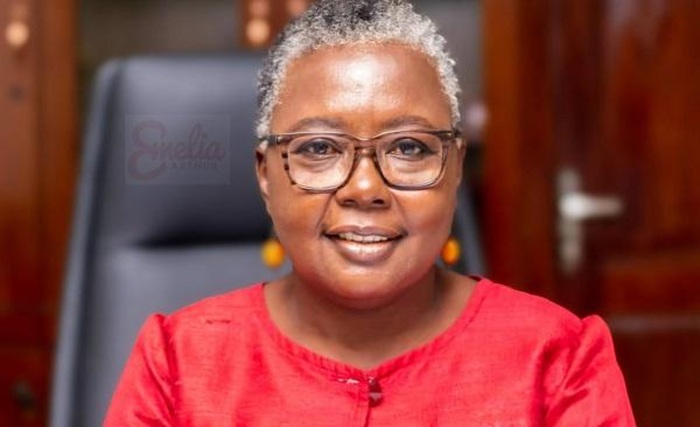
The Minister of Fisheries and Aquaculture, Madam Emelia Arthur, has called for urgent improvements in Ghana’s fisheries data systems, warning that outdated information is weakening policy decisions and limiting the effectiveness of interventions aimed at restoring the country’s marine resources.
She noted that many of the datasets currently guiding government and development partner decisions were collected decades ago and no longer reflect the current realities of Ghana’s marine and aquatic ecosystems. According to her, the sector has undergone significant changes over the years, including declining fish stocks, increased pressure on coastal resources, and shifting ecological conditions that are not adequately captured in existing records.
“We must re-examine our data. Some of the figures we continue to rely on are no longer relevant to the changes we are seeing today,” she stated, stressing that reliable and up-to-date information is essential for sustainable fisheries management.
Madam Arthur made the remarks during a multi-stakeholder engagement workshop on the Blue Ventures Conservation Programme in Ghana, where she also welcomed the organisation’s formal entry into the country. The programme is expected to support national efforts to strengthen marine conservation, improve governance, and enhance livelihoods in coastal communities.
The partnership between the Ministry of Fisheries and Aquaculture and Blue Ventures is anchored on a memorandum of understanding aimed at deepening cooperation in several strategic areas. These include strengthening policy, legal and institutional frameworks for sustainable fisheries management, improving enforcement mechanisms through coordinated systems, and building capacity through training and skills development.
Other priority areas include scientific research, improved data collection systems, marine ecosystem protection, community engagement, and livelihood support for coastal populations. The collaboration will also include monitoring and evaluation to ensure accountability and impact.
Blue Ventures Chief Executive Officer, Mr Ebrima Saidy, said the organisation’s work in Ghana will align closely with national priorities, particularly efforts to rebuild depleted fish stocks and promote sustainable fishing practices. He highlighted Ghana’s establishment of the Greater Cape Three Points Marine Protected Area as a strong demonstration of commitment to safeguarding marine ecosystems.
Mr Saidy also drew attention to the growing challenges facing small-scale fishers along Ghana’s coastline. These include declining catch volumes, increased competition in nearshore waters, and mounting environmental pressures. He warned that these challenges are already affecting food security, household incomes, and the resilience of coastal communities.
“These challenges are already impacting food security, incomes and the resilience of coastal communities,” he said.
In a related engagement, Professor Berchie Asiedu, Deputy Executive Director of the Fisheries Commission, emphasised the need for increased investment in data collection and analysis to better understand the fisheries sector’s contribution to the national economy. He argued that without reliable data, policy responses risk being reactive rather than strategic.
He also called for stronger regional cooperation in fisheries management, noting that marine resources are transboundary in nature and require coordinated oversight across countries.
“Fish move across boundaries, so there must be cooperation between countries to share data and manage resources effectively,” he explained.
The discussions form part of broader national efforts to shift Ghana’s fisheries governance toward an evidence-based model, combining improved data systems, stronger conservation measures, and enhanced support for coastal livelihoods to ensure long-term sustainability of the sector.



