Gold Eases as Markets Weigh Central Bank Signals
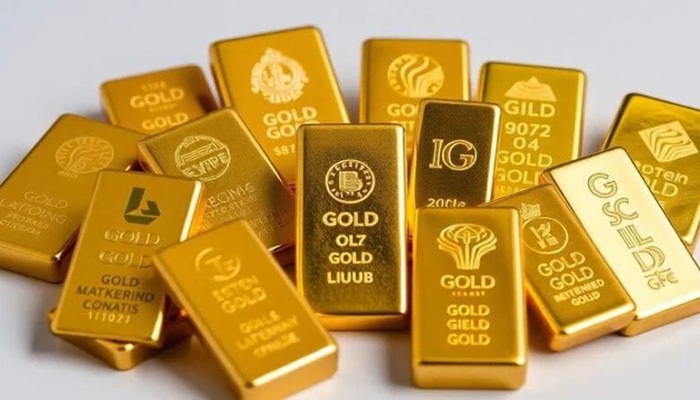
Global gold prices softened on Tuesday as investors recalibrated expectations around geopolitical risk and monetary policy, with Gold slipping to $4,630.84 per ounce on April 28, 2026, representing a 1.12 percent decline from the previous trading session.
The pullback reflects a market caught between easing short-term tensions and persistent underlying uncertainty.
A key driver behind the decline is renewed diplomatic engagement between the United States and Iran. Reports suggesting possible de-escalation around the Strait of Hormuz have slightly reduced immediate safe-haven demand, prompting some investors to unwind defensive positions in gold.
Traditionally, gold performs strongly during periods of heightened geopolitical stress, acting as a store of value when uncertainty spikes. However, when tensions show signs of easing, even if temporarily, prices tend to retreat as risk appetite returns to broader financial markets.
That said, the geopolitical picture remains far from settled.
While diplomatic signals have improved sentiment marginally, shipping disruptions and broader instability in the Middle East continue to linger in the background. This has created a push-and-pull dynamic, where short-term optimism competes with longer-term caution.
Beyond geopolitics, attention is increasingly shifting toward global monetary policy, particularly decisions by major central banks such as the Federal Reserve, European Central Bank, and Bank of Japan.
With oil prices still elevated, inflation risks remain embedded in the global economy. As a result, investors are adjusting expectations toward a “higher-for-longer” interest rate environment. This outlook typically weighs on gold, as the metal does not generate yield, making interest-bearing assets relatively more attractive.
Despite the latest dip, gold’s broader trajectory remains firmly upward.
Prices have risen by 2.56 percent over the past month and are up nearly 40 percent compared to the same period last year, underscoring sustained demand amid global economic and geopolitical uncertainty. Central bank buying, currency volatility, and ongoing concerns about energy security have all contributed to this longer-term strength.
The current price movement highlights a market that is not stabilising, but rather recalibrating.
Investors are navigating a complex environment where no single factor dominates. Instead, gold is being influenced simultaneously by diplomacy, inflation expectations, interest rate outlooks, and broader risk sentiment.
For economies like Ghana, fluctuations in global gold prices carry additional significance. As one of the world’s leading gold producers, shifts in price directly affect export revenues, foreign exchange inflows, and fiscal stability.
In essence, gold’s decline is less a sign of weakening fundamentals and more a reflection of shifting short-term sentiment. The underlying drivers that have supported its rise, uncertainty, inflation concerns, and geopolitical risk remain firmly in place.
Until there is clearer direction on both diplomacy and monetary policy, gold is likely to remain volatile, responding quickly to even subtle changes in global signals.