

Iran Warns of “New Cards” as Ceasefire Deadline Approaches
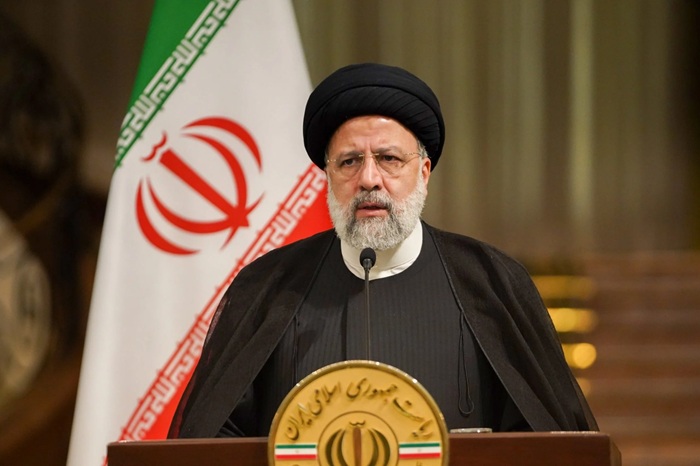
The fragile truce between the United States and Iran is close to breaking down as a two week ceasefire is set to expire Wednesday evening. Both sides have exchanged sharp words ahead of planned peace talks in Pakistan, raising fears that fighting could resume.
President Donald Trump has said he is “unlikely to extend” the ceasefire. He warned that if no deal is reached, bombs could start falling again. Trump insists Iran must negotiate or face consequences “as they’ve never seen before.”
Iran’s parliamentary speaker, Mohammad Bagher Ghalibaf, accused Washington of breaking the truce and trying to force Tehran into surrender. He said Iran has prepared “new cards on the battlefield,” hinting at undisclosed military capabilities. He added that Iran will not negotiate under threats.
The Strait of Hormuz has become the main point of tension. The U.S. Navy continues to block Iranian ports, saying the waterway will remain closed until a deal is signed. Over the weekend, U.S. forces seized an Iranian cargo ship, the Touska, after accusing it of trying to break the blockade. Iran condemned the seizure as “piracy” and reported the incident to the United Nations.
Plans for a second round of negotiations in Islamabad remain uncertain. A U.S. delegation led by Vice President JD Vance is preparing to travel, but Iran has not confirmed its participation. Iranian state television said no delegation had arrived and warned that continued talks depend on changes in America’s position. Security in Islamabad has been tightened, with thousands of personnel deployed and patrols increased around the airport.
The future of Iran’s nuclear program is another major issue. Trump claimed Iran had agreed to hand over its uranium stockpile, but Tehran denied this. He also praised past U.S. strikes on Iranian nuclear sites, saying they caused “total obliteration.” Experts are doubtful. Former diplomat Alan Eyre said U.S. negotiators need more experienced experts, while analyst Cornelia Meyer argued that a full peace deal is unlikely and only a roadmap may be possible.
The war has already killed thousands. At least 3,375 people have died in Iran, more than 2,290 in Lebanon, 23 in Israel, and dozens in Gulf Arab states. Fifteen Israeli soldiers and 13 U.S. service members have also been killed. Former U.S. ambassador Marc Sievers warned this is the “last chance” to reach an agreement before the ceasefire expires. The standoff shows deep differences. Washington sees military pressure and the blockade as leverage to secure a nuclear deal. Tehran views those same actions as violations of peace and an attack on its sovereignty.



