Gold Holds Below $4,800 as Middle East Tensions Persists
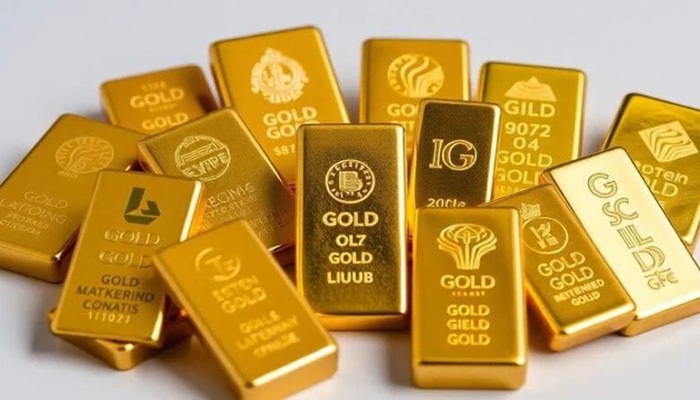
Gold prices remained subdued on Tuesday, hovering below the $4,800 mark as investors weighed fragile diplomatic developments in the Middle East against mounting concerns over a potential global energy shock.
The precious metal settled at $4,786.83 per troy ounce, reflecting cautious market positioning ahead of renewed talks between the United States and Iran. While prices edged lower, the movement suggests a pause in investor conviction rather than a decisive shift in sentiment, with traders awaiting clearer geopolitical signals.
Attention is firmly on a second round of negotiations expected to take place soon, with Washington reportedly preparing to dispatch a delegation led by Vice President JD Vance to Pakistan. Iranian officials are also expected to participate following earlier uncertainty over their involvement, raising hopes of progress but leaving markets in a state of watchful anticipation.
A key source of concern remains the Strait of Hormuz, a critical artery for global energy supply. US President Donald Trump has indicated that the current ceasefire may not be extended if negotiations fail, warning that the waterway could remain closed until an agreement is reached. For markets, the implications extend beyond diplomatic rhetoric to the real risk of supply disruptions, given the strait’s central role in global oil shipments.
These developments are feeding into broader macroeconomic expectations. Heightened energy supply risks are reinforcing concerns about inflation at a time when central banks remain cautious about price stability. Rising inflation expectations typically support a higher interest rate outlook, a dynamic that continues to exert pressure on gold, which does not yield returns and tends to underperform in elevated rate environments.
On the day, gold declined by 0.71 per cent, extending its recent softness. However, the longer-term trajectory remains robust. Prices have risen by 8.59 per cent over the past month and surged by 43.47 per cent on a year-on-year basis, according to CFD data tracking the benchmark market.
The divergence between strong longer-term gains and short-term weakness underscores the current tension in the market. While geopolitical uncertainty continues to underpin demand for gold as a safe-haven asset, tighter monetary conditions are tempering bullish momentum.
For now, investors are navigating two overlapping timelines: the progression of diplomatic efforts in the Middle East and the evolving outlook for inflation and interest rates amid potential energy market disruptions.