Transport Minister Directed to Ensure Lower Fares Using New Metro Mass Transit Buses
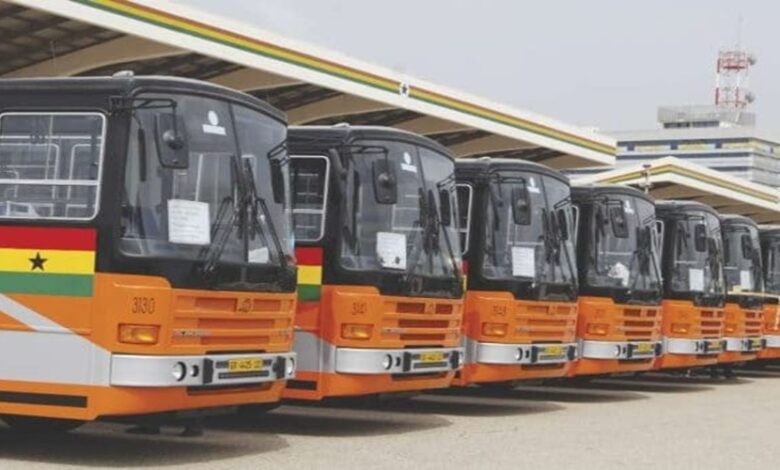
In a bid to ease the rising cost of commuting for Ghanaians, Cabinet as of today, April 9, 2026, directed the Minister for Transport, Joseph Bukari Nikpe to ensure the expedited deployment of 100 recently acquired Metro Mass Transit (MMT) buses, in addition to the existing fleet, along high-traffic corridors. The move, announced during a Cabinet meeting convened to address economic pressures, also requires that fares on these buses be maintained below those charged by private transport operators.
The directive, part of a broader government effort to manage costs for commuters and households, comes amid renewed pressure on fuel prices driven by rising global crude oil costs and geopolitical tensions in the Middle East. The situation has pushed transport fares higher, affecting the cost of goods and services and increasing the financial burden on ordinary Ghanaians.
Speaking after the meeting, the Minister of State for Government Communications, Felix Kwakye Ofosu, said the Cabinet’s decision signals a proactive approach to protecting consumers. “The Minister for Transport has been mandated to deploy the new 100 Metro Mass Transit buses along high-traffic routes and ensure that fares remain lower than those charged by private operators, helping commuters manage transport costs,” he explained.
The Cabinet meeting also reinforced President John Dramani Mahama’s earlier directive for all ministers and senior government appointees to comply strictly with the cancellation of fuel allocations and allowances as part of ongoing cost-control measures.
In addition to the transport initiative, the Ministers of Finance and Energy have been tasked to implement the temporary suspension of selected fuel taxes and margins, effective from the next pricing window, to provide relief at the pumps. Authorities are closely monitoring global developments to determine the next course of action.
With these interventions, the government aims to reduce the financial strain on commuters, stabilize transport fares, and reinforce fiscal discipline across the public sector.