

Tariffs Down, Relief at Last? Or Just a Drop in the Ocean for Ghanaians?
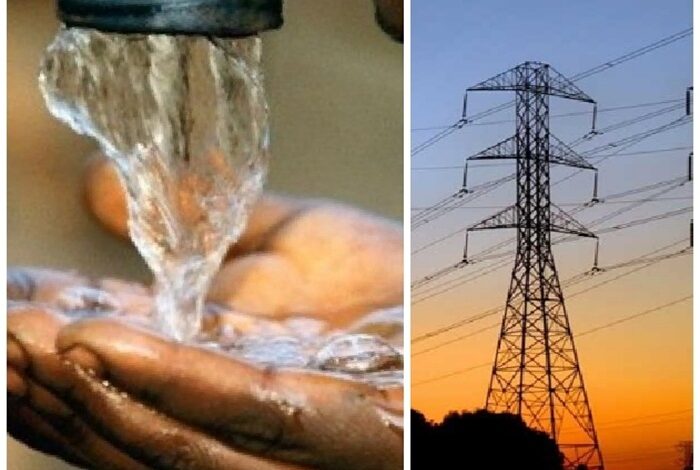
The recent decision by the Public Utilities Regulatory Commission to reduce electricity and water tariffs has been welcomed with cautious optimism across Ghana. At a time when households and businesses continue to grapple with the high cost of living, any form of relief, no matter how modest, offers a reason to pause and perhaps, briefly, smile. However, beneath the surface lies a deeper question: is this reduction truly meaningful, or does it merely scratch the surface of a much larger economic burden?
A Step in the Right Direction
There is no denying that the tariff reduction is a positive signal. Utility costs form a significant portion of household and business expenditure. For many small businesses, hairdressers, cold store operators, welders, and manufacturers, electricity is not just a convenience; it is the backbone of their operations.
A reduction in tariffs, therefore, has the potential to lower operating costs, improve margins, and in some cases, prevent business closures. For households, it could translate into slightly lower monthly expenses, offering some breathing space in an otherwise tight financial environment.
In policy terms, the move suggests that regulators are responsive to macroeconomic improvements such as easing inflation, relative currency stability, and shifts in global energy prices. It signals a willingness to pass on some of these gains to consumers.
However, how far does this relief really go?
The Reality on the Ground
For many Ghanaians, the reduction may not be immediately felt. Utility tariffs in recent years have seen multiple upward adjustments, often driven by rising fuel costs, currency depreciation, and legacy debts within the energy sector. Against this backdrop, a marginal reduction can feel insignificant.
For a household already struggling to balance rent, food, transport, and school fees, a slight drop in electricity or water bills may not fundamentally change their financial reality. The same applies to businesses operating under high input costs; energy savings may be too small to significantly affect pricing or profitability.
This is why some critics argue that while the reduction is welcome, it is not sufficient.
The Structural Challenge
The issue of utility tariffs in Ghana goes beyond periodic adjustments. It is deeply rooted in structural inefficiencies within the energy and water sectors. High operational costs, transmission losses, outdated infrastructure, and debt obligations all contribute to the pricing of utilities.
As long as these underlying challenges persist, tariff reductions may remain limited and inconsistent. Consumers may experience temporary relief, only for prices to rise again when external conditions, such as fuel prices or exchange rates shift.
In essence, without structural reform, tariff adjustments risk becoming cyclical rather than transformational.
Businesses Still Under Pressure
For businesses, particularly small and medium enterprises (SMEs), energy costs remain a major concern. While the tariff reduction may provide some relief, it is unlikely to significantly alter the cost structure for many firms.
Industries that rely heavily on electricity, manufacturing, agro-processing, and services continue to face high operational expenses. In some cases, unreliable power supply forces businesses to rely on generators, further increasing costs.
Until energy becomes both affordable and reliable, the competitiveness of Ghanaian businesses will remain constrained.
Is More Reduction Needed?
The answer is both yes and no.
Yes, because the current economic climate demands more substantial relief for consumers and businesses. With inflation pressures, fluctuating fuel prices, and rising living costs, deeper tariff reductions would provide more meaningful support.
But also no, because tariff reductions must be sustainable. Artificially lowering tariffs without addressing sector inefficiencies could lead to financial instability within utility providers, ultimately resulting in service disruptions or future price hikes.
The goal, therefore, should not just be lower tariffs, but fair and sustainable pricing supported by a more efficient system.
The Way Forward
For Ghana to achieve lasting relief in utility costs, several key steps are necessary:
• Invest in infrastructure to reduce transmission and distribution losses
• Improve operational efficiency within utility companies
• Promote renewable energy to reduce dependence on expensive fuel sources
• Strengthen regulatory oversight to ensure transparency and accountability
• Encourage energy conservation among consumers
These measures would not only stabilize tariffs but also create room for more meaningful and sustained reductions over time.
Conclusion
The tariff reduction by the Public Utilities Regulatory Commission is, without doubt, a step in the right direction. It reflects responsiveness to economic conditions and offers some level of relief to Ghanaians.
However, it is not a silver bullet.
For many households and businesses, the impact may be modest at best. The deeper challenge lies in transforming the energy and water sectors to deliver affordable, reliable, and sustainable services.
So, is it time for Ghanaians to smile? Perhaps, but cautiously.
Because while the burden may have been slightly eased, the journey toward truly affordable utilities is far from over.



