VW Makes Big Push For Informal Workers
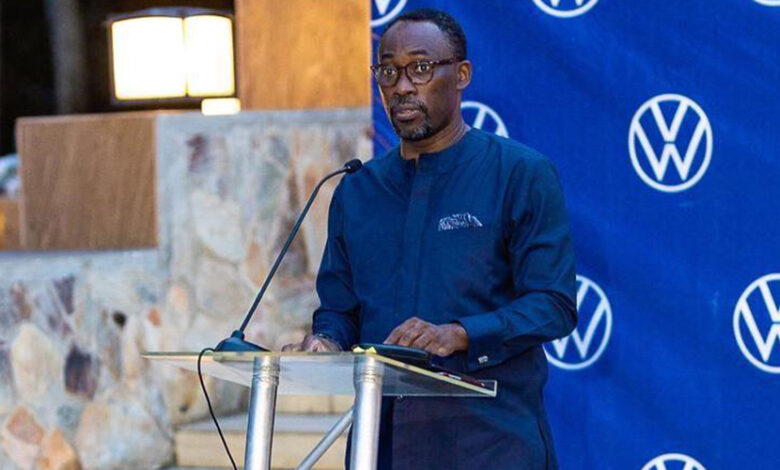
Story: Abdulai SAAKA, Accra
VOLKSWAGEN (VW) Ghana is pushing for the integration of informal automotive workers into the formal industry by equipping them with modern skills critical to maintaining the new generation of locally-assembled vehicles.
Speaking to The New Finder on the sidelines of the launch of the company’s new product, the Amarock pickup truck, Jeffery Oppong Peprah, CEO of Volkswagen Ghana said; “We know how far technology has advanced, but many workers in these areas are still using outdated techniques. We need to bring them into the fold, train them, and ensure they can maintain the vehicles we’re producing.”
Integrating the informal with the formal
As hubs of automotive repairs and craftsmanship, Suame Magazine and Abossey Okai are central to Ghana’s automotive culture. However, as the industry shifts toward modern assembly lines and technologically advanced vehicles, many informal workers risk being left behind.
According to the CEO, who is also president of the Automobile Assemblers Association of Ghana (AAAG), Volkswagen Ghana recognizes the challenge and sees an opportunity to bridge the gap. By providing education and training, the company aims to build a sustainable automotive ecosystem where informal workers play a crucial role in servicing locally assembled vehicles.
“If we produce vehicles but don’t have skilled people to repair them, it’s not sustainable,” explained Mr. Oppong Peprah. “This is why we are committed to providing education and training to help these workers adapt to new automotive technologies.”
This initiative goes beyond merely addressing a skills gap — it is about creating inclusivity within a burgeoning industry. It also ensures the longevity of local assembly efforts, as technicians skilled in modern repair practices will reduce dependency on international expertise.
A growing automotive industry
Volkswagen’s focus on the informal sector is part of a larger vision inspired by the Ghana Automotive Development Policy, implemented in 2020. The policy has catalysed the growth of local vehicle assembly, increasing the number of assemblers from just four in 2020 to nine today.
“When we started under the 2020 policy, there were only about four assemblers,” Mr. Oppong Peprah noted. “Today, we have nine companies assembling vehicles locally. This progress demonstrates the growing potential of the automotive industry in Ghana.”
Volkswagen Ghana’s recently launched Amarok pickup truck is emblematic of this progress. The locally-assembled vehicle reflects a commitment to not only meeting market needs but also bolstering Ghana’s industrial base.
Overcoming challenges
While the automotive sector is on a growth trajectory, obstacles remain. The dominance of used vehicles, fluctuating exchange rates, and high loan rates pose significant challenges to the affordability and appeal of locally assembled cars.
Volkswagen Ghana is actively addressing these issues. Discussions with the Bank of Ghana about reducing loan rates for locally produced vehicles are ongoing, as current rates of around 30% are prohibitively high for many Ghanaians.
Additionally, the government’s proposed 35% import duty on vehicles aged one to five years could shift consumer preferences toward new, locally assembled vehicles.
“Our goal is to create high-quality, affordable vehicles that can eventually replace the influx of used cars,” said Mr. Oppong Peprah.
A vision for the future
Volkswagen’s efforts are not just about assembling cars — they are about building an ecosystem that supports local talent, creates jobs, and fosters economic growth. With 125,000 vehicles imported into Ghana annually, the company sees an opportunity to localize production, reduce dependency on imports, and empower the nation’s workforce. “This is about more than just cars,” Mr. Oppong Peprah concluded. “It’s about building an industry that reflects Ghana’s potential and drives its growth. By integrating informal workers, supporting policy initiatives, and creating affordable vehicles, we are laying the groundwork for a brighter automotive future in Ghana.”