Cabinet Approves $250M AI Center to Push Digital Economy
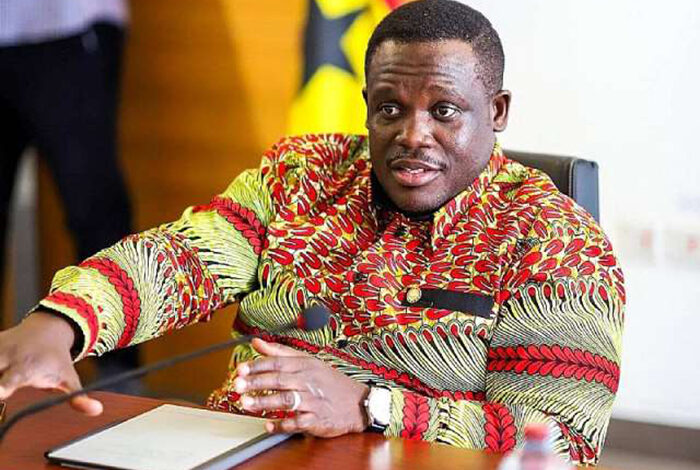
Ghana is set to establish a $250 million national artificial intelligence (AI) computing center following cabinet approval, a strategic move aimed at accelerating innovation and positioning the country as a regional hub for AI development.
The facility, according to Samuel Nartey George, will support research, development, and deployment of AI across critical sectors including agriculture, healthcare, and education. The announcement came during a stakeholder engagement on Ghana’s AI Readiness Assessment Methodology, organized by the Ministry of Communication, Digital Technology and Innovations in partnership with UNESCO and backed by the European Union.
This investment aligns with Ghana’s broader strategy to deepen the digital economy, leveraging mobile penetration rates exceeding 110% and roughly 38 million subscriptions nationwide, which provide a foundation for scaling AI applications. The minister further noted that the country’s National Artificial Intelligence Strategy has also received cabinet approval and will be formally launched on April 24, marking a milestone in Ghana’s policy framework.
“Today marks a decisive step in Ghana’s path toward a responsible, innovative, and globally competitive AI ecosystem,” Samuel Nartey George said, emphasizing that the strategy will guide adoption across industries while embedding governance and ethical safeguards.
The UNESCO AI Readiness Assessment will serve as a framework for evaluating preparedness across governance, infrastructure, data systems, and research capacity, with the findings shaping implementation plans. The minister identified four key priorities: strengthening data governance, investing in AI research and computing infrastructure, expanding digital skills, and embedding ethical safeguards in deployment.
Ghana’s role as host of the African Continental Free Trade Area Secretariat was highlighted as a strategic advantage in fostering a digital trade ecosystem across Africa. Arnold Kavaarpuo underlined the importance of safeguarding ethical standards and institutional values while advancing AI adoption, while Osman Tahidu-Damba stressed the need for structured evaluation across policy, infrastructure, human capacity, and societal impact.
Edmond Moukala, speaking at the event, emphasized that strong institutions are the bedrock of successful digital transformation, requiring coordination across sectors and adaptive regulatory frameworks to ensure transparency, accountability, and protection for all citizens—from urban entrepreneurs to rural farmers.
The initiative signals a decisive shift toward embedding advanced digital infrastructure within public policy. It reflects Ghana’s ambition not only to harness AI for economic growth and competitiveness but also to manage associated risks in governance, data protection, and inclusion. As the minister concluded, the project represents both a national priority and a continental ambition, aiming to make AI “a tool for flourishing, an instrument of justice, and a legacy for generations of Ghanaians to come.”
Ghana’s $250 million AI center, alongside the broader National AI Strategy, is expected to be a cornerstone for research, innovation, and policy-driven AI adoption across multiple sectors, further cementing the country’s role as a digital pioneer in Africa.