Gold Plunges 8% in a Day as Inflation Shakes Market
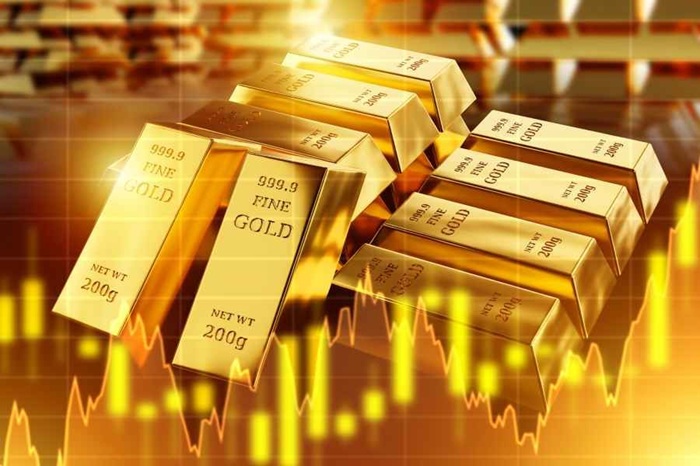
Global gold markets experienced a sharp correction on Monday, with prices tumbling by as much as 8% to approximately $4,100 per ounce, marking the precious metal’s steepest single-day decline in months and its lowest level in four months.
The sudden drop comes against a backdrop of escalating geopolitical tensions in the Middle East and renewed concerns about global inflation, creating a complex environment for investors navigating safe-haven assets.
Geopolitical Tensions Rattle Markets
The ongoing crisis in Iran has intensified uncertainty across global financial markets. Reports of potential military escalation have heightened investor anxiety, particularly following threats by Donald Trump regarding possible strikes on Iranian power infrastructure if disruptions in the Strait of Hormuz persist.
Tehran, in response, has issued warnings of retaliatory actions targeting U.S. and Israeli interests, further escalating fears of a broader regional conflict.
Typically, such geopolitical instability would drive investors toward gold as a safe-haven asset. However, the current market reaction suggests a more complex interplay of forces.
Inflation and Interest Rate Expectations Take Centre Stage
Rising oil prices often linked to Middle East tensions are fueling concerns about persistent global inflation. This has shifted investor focus toward the likely response of major central banks, particularly the Federal Reserve.
Market participants are increasingly pricing in the possibility of renewed monetary tightening later in the year, as policymakers attempt to contain inflationary pressures. Other key institutions, including the European Central Bank, Bank of England, and Bank of Japan, have maintained current rates but signaled readiness to act if inflation persists.
Higher interest rates typically reduce the appeal of non-yielding assets such as gold, as investors shift toward interest-bearing instruments.
Safe-Haven Paradox
The current sell-off highlights an unusual dynamic in global markets. While gold is traditionally viewed as a hedge against geopolitical risk and economic uncertainty, it is now facing downward pressure from tightening liquidity conditions and expectations of higher real interest rates.
Analysts note that in periods where monetary policy concerns dominate, gold can lose its immediate appeal despite heightened global risks.
Volatility Likely to Persist
Despite the sharp decline, gold remains significantly up, by about 41% on a year-on-year basis, reflecting its strong performance over the past 12 months.
However, Monday’s sell-off underscores how quickly sentiment can shift in response to evolving global developments.
Market watchers caution that volatility is likely to remain elevated in the near term, as investors weigh conflicting forces: geopolitical instability, inflation risks, and central bank policy direction.
For now, gold traders are expected to remain cautious, closely monitoring developments in the Middle East and signals from major central banks that could determine the metal’s next trajectory.