

Kenya Faces Looming Fuel Crisis as Suppliers Ration Petrol and Diesel
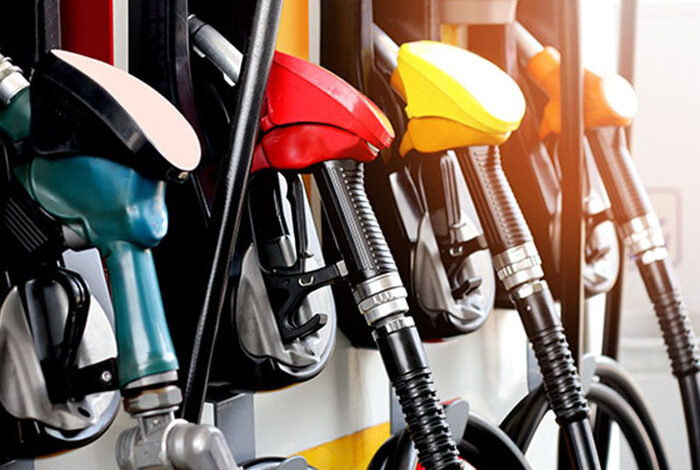
Motorists in Kenya are likely to encounter growing difficulties accessing fuel as suppliers begin rationing petrol and diesel amid emerging shortages across parts of the country.
Reports by Kenyans.co.ke indicate that several fuel distributors have temporarily run out of stock, sparking fears that the situation could worsen if delayed shipments fail to arrive in time. The shortages are said to be particularly acute in rural areas, where some filling stations have been forced to shut down.
Energy sector observer Martin Chomba highlighted the scale of the challenge, noting that supply constraints are already affecting distribution networks. “The biggest fuel suppliers to Kenya are rationing products. A few distributors are experiencing stockouts in the villages,” he said.
Experts warn that continued rationing could have significant economic repercussions, including disruptions in transportation, increased operational costs for businesses, and a rise in the prices of essential goods. Kenya consumes about 100,000 barrels of fuel daily, all imported through the port city of Mombasa. Current regulations require importers to maintain only 21 days of operational reserves, leaving the country vulnerable to supply shocks.
Analysts caution that even a single delayed shipment, possibly linked to tensions in the Middle East could push Kenya into emergency fuel levels within weeks. The situation mirrors a broader continental risk, as many African countries depend on fuel imports routed through the Strait of Hormuz, where supply disruptions can have global ripple effects.
The development comes shortly after the government reassured citizens about fuel availability. Energy and Petroleum Cabinet Secretary Opiyo Wandayi said authorities were working with international oil firms to stabilise supply. “We are engaging international partners under a government-to-government arrangement to prevent shortages,” he stated.
Meanwhile, the Energy and Petroleum Regulatory Authority has maintained current fuel prices for the March 15 to April 14 cycle, offering temporary relief even as concerns over possible price increases continue to mount.



