

Investment Drive Needed to Unlock Ghana’s Beverage Export Potential
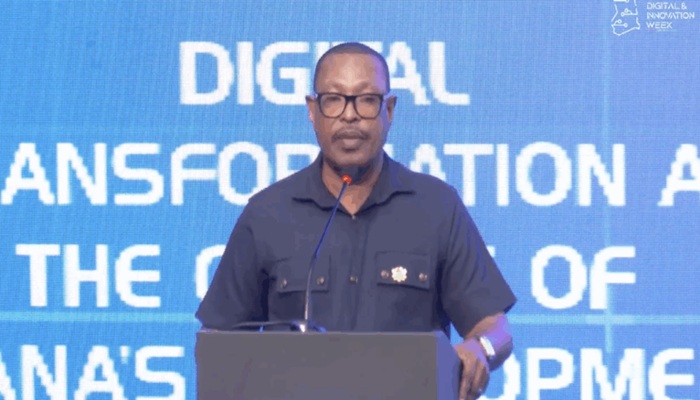
By Maame Efua Kwaduah
The Director of Partnerships at the 24 Hour Economy and Accelerated Export Development Secretariat, Dr. Ishmael Nii Amanor Dodoo has called for increased investment in Ghana’s beverage industry to drive large-scale production, reduce imports and position the sector to take advantage of opportunities within the West African market.
Speaking to The New Finder on the sidelines of the Ghana Beverage Awards Industry Forum, Dr. Dodoo explained that the Secretariat is deliberately targeting the beverage sector as a key industrial area under the 24-hour economy policy, with a focus on integrating the entire value chain and expanding production capacity.
According to him, the West African market presents significant potential, with beverage imports estimated at about $11.5 billion annually, covering products such as carbonated drinks, alcoholic beverages, fruit juices and other processed drinks. He noted that Ghana alone imports a substantial volume of these products each year, stressing that local production must be strengthened to reduce this dependence.
He indicated that beyond meeting domestic demand, Ghanaian producers have the opportunity to supply the wider West African market, especially as some beverage products consumed in the region are already produced within the sub-region. He said this makes it possible for Ghanaian companies to scale up and compete effectively if the right investments are made.
Dr. Dodoo disclosed that the Secretariat is working closely with key stakeholders, including the Food and Beverage Association of Ghana (FABAG), the Food and Drugs Authority, Ghana Standards Authority and other industry groups, to support producers to improve standards, meet regulatory requirements and enhance product quality to compete both locally and internationally.
He emphasized that access to financing remains a major constraint, particularly for small and medium enterprises, noting that many businesses struggle with collateral requirements. He said the Secretariat is engaging financial institutions and investors to provide patient capital and flexible financing arrangements that will enable companies to expand production over the long term.
“With the right financing structure, companies will be able to invest, scale up, and sustain production,” he noted, adding that the focus is to create a system where businesses are not overly burdened by collateral demands but are supported to grow.
Dr. Dodoo also pointed out that several companies in the beverage sector are already operating extended hours, with some running two or three production shifts daily to meet demand. However, he noted that challenges such as high energy costs and operational constraints continue to affect productivity. He explained that the 24-hour economy initiative is intended to address these gaps by creating an enabling environment for continuous production.
He further stressed the importance of strengthening the entire value chain from raw material sourcing to processing, packaging, and distribution to ensure efficiency and competitiveness. He noted that collaboration between industry players and the market is essential to drive growth and fully develop the sector.
He further called on Ghanaians to consciously patronize made-in-Ghana beverages, stressing that increased local consumption will support industry growth, create jobs, and reduce the country’s import bill.
He noted that through strong partnerships between government, regulators, industry players, and investors, the beverage sector can become a major driver of industrialization, job creation and economic transformation under the 24-hour economy policy.



