Trade Leaders Push for Practical Steps to Boost Intra-African Trade
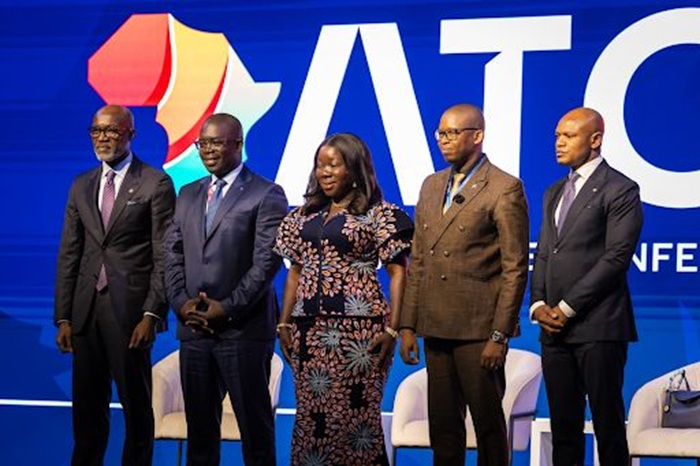
The Minister for Trade and Industry, Elizabeth Ofosu-Adjare, has called for more decisive and flexible approaches to expanding trade across the continent, urging African countries to shift focus from prolonged negotiations to concrete implementation strategies.
Speaking at the African Trade Conference 2026 in Cape Town, South Africa, the Minister emphasised the need for “pragmatic, country-led solutions” to address long-standing bottlenecks hindering intra-African trade, particularly under the African Continental Free Trade Area (AfCFTA) framework.
Call for Flexible Implementation
Addressing a high-level ministerial panel on accelerating continental trade, Ofosu-Adjare argued that the pace of integration should not be slowed by the need for full consensus among all African Union member states.
She advocated for a more flexible approach that allows willing countries to move ahead with reforms while others gradually align.
“A few can take the lead,” she noted, stressing that early adopters could serve as catalysts for wider continental participation and faster implementation of trade reforms.
Tackling Non-Tariff Barriers
On the sidelines of the conference, the Minister held bilateral talks with her Zambian counterpart, focusing on measures to ease cross-border trade.
Key areas of discussion included reducing non-tariff barriers, improving regulatory alignment and harmonising standards, issues widely seen as critical constraints to trade under the AfCFTA.
The discussions also explored ways to streamline border processes and reduce delays, which continue to increase the cost of doing business across African markets.
Intra-African Trade Still Low
Officials at the conference acknowledged that intra-African trade remains structurally low, accounting for only about 15 percent of total exports, significantly below levels seen in other regions.
This has reinforced calls for urgent action to remove longstanding barriers and unlock the full potential of the continent’s single market.
Stakeholders highlighted the need to reduce duplication in trade documentation, expand digital trade infrastructure and strengthen the implementation of existing agreements.
From Policy to Action
The conference underscored growing consensus among policymakers that Africa must move beyond negotiated frameworks toward tangible execution.
Ofosu-Adjare’s intervention reflects a broader push to operationalise AfCFTA provisions through targeted reforms, strategic partnerships and stronger political commitment.
Analysts say accelerating implementation will be key to boosting trade volumes, enhancing competitiveness and driving economic growth across the continent.
The renewed focus on practical, country-led solutions is expected to play a critical role in deepening regional integration and positioning Africa as a more unified and competitive player in global trade.