

Sri Lanka Declares Midweek Holiday as Asia Tightens Measures Amid Oil Crisis
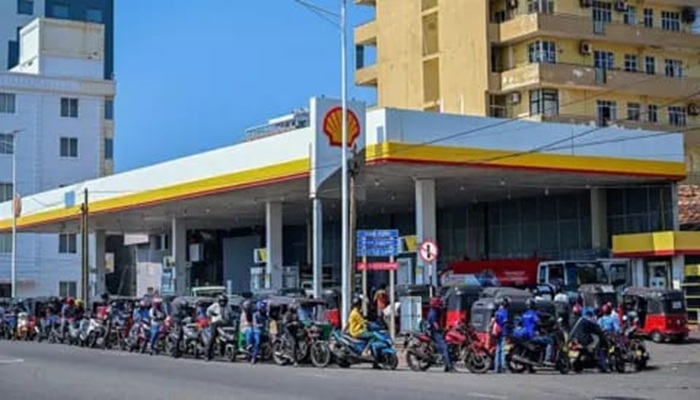
Sri Lanka has declared every Wednesday a public holiday for government institutions in a bid to conserve fuel, as the country faces potential shortages linked to escalating global tensions. The move follows disruptions in oil supply chains triggered by the conflict involving the United States, Israel, and Iran.
President Anura Kumara Dissanayake announced the measure after an emergency meeting with senior officials, warning that the country must prepare for possible fuel shortages. He stressed the importance of proactive steps to reduce consumption while expressing cautious optimism about the situation improving.
The crisis has been worsened by disruptions in the Strait of Hormuz, a critical route for global energy shipments. Asia, the world’s largest oil-importing region, relies heavily on this passage, with nearly 90 percent of oil and gas transported through it last year destined for the continent.
Governments across Asia are adopting a range of austerity measures to cope with the strain. In Thailand, authorities are encouraging citizens to wear lighter clothing to reduce reliance on air conditioning. Myanmar has introduced alternate-day driving for private vehicles, depending on licence plate numbers.
In Bangladesh, universities have adjusted academic schedules while authorities implement planned power outages to conserve energy. The Philippines has mandated work-from-home arrangements for some public workers, and President Ferdinand Marcos Jr has suspended non-essential government travel. Financial support has also been announced for vulnerable groups, including transport operators and farmers. Meanwhile, Vietnam is urging citizens to reduce travel, promote carpooling, and rely more on public transport.
In Sri Lanka, the new four-day workweek will also apply to schools and universities but excludes essential services such as healthcare and immigration. Authorities have also reintroduced a fuel rationing system through a National Fuel Pass, limiting purchases to 15 litres for cars and five litres for motorcycles. While intended to manage limited supplies, the measure has drawn criticism from citizens who say the quotas are insufficient. Global oil prices have climbed to around $100 per barrel, increasing pressure on economies across the region.



