

Utility Bills to Decline from April 1
By Praisebell Rosemond Larbi
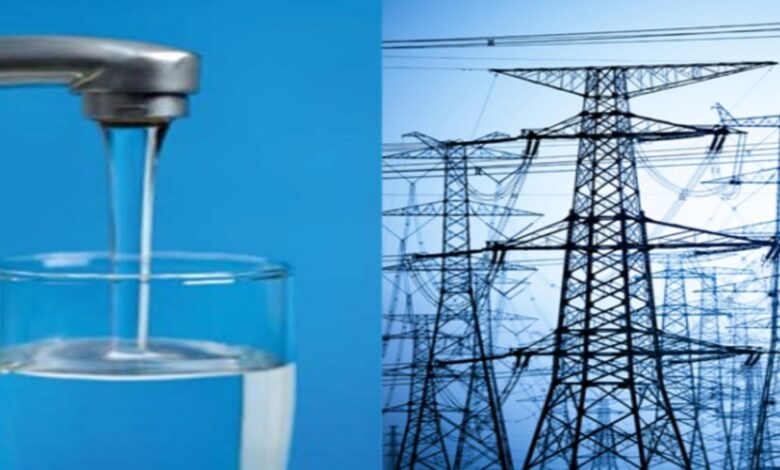
Households and businesses in Ghana will experience a modest reduction in their utility bills beginning April 1, 2026, following a downward adjustment in electricity and water tariffs for the second quarter of the year.
The decision was announced by the Public Utilities Regulatory Commission (PURC) in a statement issued on March 13 as part of its routine quarterly tariff review process.
According to the regulator, electricity tariffs will decrease by an average of 4.81 percent, while water tariffs will fall by 3.06 percent for the period covering April to June 2026.
The Commission explained that the quarterly review mechanism enables it to adjust utility tariffs periodically to reflect changes in key economic and operational variables that influence the cost of electricity and water supply.
Stronger Cedi Supports Tariff Reduction
One of the major factors behind the reduction is the relative strengthening of the Ghanaian cedi against the United States dollar during the review period.
For the latest tariff calculations, PURC applied a projected exchange rate of GH¢11.1931 to the US dollar, based on the three-month interbank average recorded between December 2025 and February 2026.
This represents a 6.78 percent decline compared with the exchange rate used in the previous quarter’s review, effectively lowering the cost of certain imported inputs used in the energy sector.
Lower inflation expectations also contributed to the tariff reduction.
The Commission applied a three-month average inflation rate of 4.17 percent, reflecting a significant moderation in price pressures compared with earlier periods.
Analysts say the easing of inflation and the relative stability of the local currency have created room for regulators to pass on some cost relief to consumers.
Gas Costs Edge Higher
Despite the downward adjustments in tariffs, PURC noted that some cost components within the power generation mix increased during the review period.
The weighted average cost of natural gas used for electricity generation rose slightly to $8.0988 per MMBtu, representing a 2.84 percent increase from the previous benchmark.
The regulator further indicated that Ghana’s electricity generation structure remains largely unchanged.
Hydropower is expected to account for 20.9 percent of total electricity generation, while thermal power plants will contribute about 79.1 percent of supply.
New Tariff Category for Electric Vehicle Charging
As part of the latest tariff review, the Commission also approved adjustments across several electricity consumer categories, including residential, non-residential and special load tariff customers.
In addition, PURC introduced a new tariff category for commercial electric vehicle charging stations.
The move is intended to support Ghana’s gradual transition toward cleaner energy solutions and sustainable transportation systems by creating a clearer pricing framework for emerging electric mobility infrastructure.
Relief for Consumers
Although the reductions may appear modest, the adjustments are expected to provide some financial relief to households and businesses already grappling with rising living and operating costs.
For many consumers, the lower tariffs will translate into slightly reduced monthly electricity and water bills starting in April.
Industry observers say the tariff adjustments also signal improving macroeconomic conditions, particularly in terms of exchange rate stability and moderating inflation, which are key determinants in the pricing of utility services.



