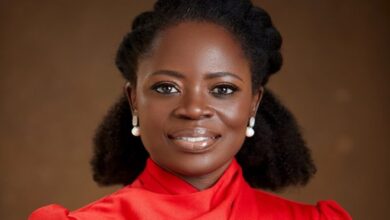
The Power of Her: How Women Drive Ghana’s Economy and Shape the World

Every year on International Women’s Day, the world pauses to celebrate the achievements, resilience, and impact of women across all sectors of society. Beyond the celebrations and symbolic gestures, the day also serves as a reminder of the immense contributions women continue to make toward economic growth, social transformation, and national development. In Ghana, women are not just participants in the economy; they are powerful drivers of productivity, innovation, and progress.
Women play a crucial role in Ghana’s economic structure. From bustling market centers to boardrooms, classrooms, hospitals, farms, and technology hubs, their presence is visible and impactful. Women, particularly in trading, agriculture, and small-scale enterprises, dominate a significant portion of Ghana’s informal sector. These activities, though often underestimated, form a vital backbone of the country’s economic ecosystem.
Market women across Ghana, for instance, are key actors in the supply chain that ensures food security and commerce. They facilitate the distribution of agricultural products from rural farmers to urban consumers, supporting both rural livelihoods and urban economies. In agriculture, women contribute immensely to food production, processing, and distribution. Despite limited access to land ownership, credit facilities, and modern farming technologies, their labor continues to sustain households and local markets.
The entrepreneurial spirit of Ghanaian women has also played a significant role in boosting economic activity. Many small and medium-sized enterprises are owned or operated by women who create employment opportunities and contribute to local economic development. Their businesses range from fashion and food processing to manufacturing and digital services. These enterprises contribute significantly to Ghana’s Gross Domestic Product (GDP), demonstrating that women are not only economic participants but also economic pillars.
Beyond the informal sector, women have steadily broken barriers in leadership and governance, occupying positions that were once considered male-dominated. Ghana has witnessed remarkable “firsts” that have paved the way for greater female representation in national leadership.
One of the most historic milestones is the election of Ghana’s first female Vice President, who demonstrates that women can break the glass ceilings, the appointment of Ghana’s first female Chief Justice, who demonstrated that women could lead the highest institutions of justice with distinction. Ghana also celebrated the appointment of its first female Speaker of Parliament, marking a significant step toward gender inclusion in the country’s democratic governance. In the corporate and financial sectors, women have risen to become CEOs, central bank leaders, ministers, and influential policymakers shaping Ghana’s economic direction.
These milestones are more than symbolic achievements, they reflect the gradual dismantling of systemic barriers that once limited women’s participation in leadership. When women occupy positions of power, they bring diverse perspectives, inclusive policies, and innovative approaches that strengthen institutions and governance systems.
Education has also played a critical role in expanding women’s influence in Ghana’s economy. Over the years, increasing numbers of girls have gained access to education, enabling them to pursue careers in science, technology, engineering, finance, and entrepreneurship. Educated women not only improve their own economic prospects but also uplift families and communities by investing in education, health, and social welfare.
Globally, the story of women’s contributions mirrors Ghana’s experience. Women form nearly half of the world’s workforce and contribute trillions of dollars to the global economy annually. From groundbreaking scientific discoveries and technological innovations to leadership in politics, medicine, business, and humanitarian work, women continue to shape the direction of the world.
In many developing economies, women play a vital role in poverty reduction and community development. Studies consistently show that when women are empowered economically, entire communities benefit. Women are more likely to reinvest their income into their families, supporting children’s education, improving healthcare access, and strengthening local economies.
Despite these achievements, challenges remain. Women across the world including Ghana, still face barriers such as wage inequality, limited access to capital, underrepresentation in leadership, and societal expectations that often restrict opportunities. Addressing these challenges is not only a matter of fairness but also an economic necessity.
Research consistently shows that increasing women’s participation in the workforce and leadership could significantly boost global economic growth. When women are given equal opportunities, productivity rises, innovation expands, and economies become more resilient.
For Ghana, empowering women is not merely a social agenda; it is a strategic economic investment. Policies that promote equal access to education, financial resources, land ownership, and leadership opportunities can unlock even greater economic potential. Supporting women entrepreneurs, investing in girls’ education, and ensuring gender-inclusive governance are steps that can accelerate national development.
International Women’s Day therefore should not only be a day of celebration but also a call to action. It is a moment to acknowledge how far women have come while recognising how much further society must go to achieve full equality.
The Ghanaian woman, whether she is a trader in Makola, a farmer in the Northern Region, a teacher shaping young minds, a nurse saving lives or a CEO leading a multinational company represents strength, resilience, and determination. Her contributions ripple through every sector of the economy and every layer of society.
As the world celebrates International Women’s Day, one message becomes clear: when women rise, economies grow, societies progress, and nations thrive. Ghana’s development story cannot be told without the central role of women, and the future of the country’s prosperity will continue to depend on the power, creativity, and leadership of its women.
Indeed, the story of Ghana’s growth is also the story of its women, builders of families, drivers of enterprise, and architects of progress.
Happy International Women’s Day!