MMDCEs Push for Increased Sanitation Funding Under Common Fund
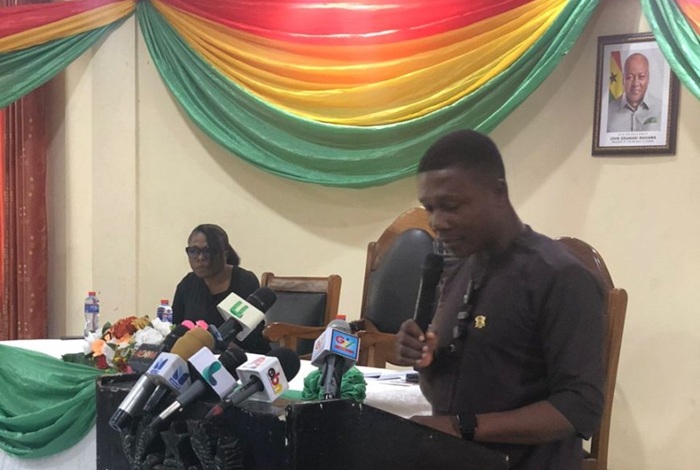
Municipal, Metropolitan and District Chief Executives (MMDCEs) have renewed calls for increased financial support for waste management under the District Assembly Common Fund (DACF), citing escalating sanitation pressures across their jurisdictions.
The appeal was articulated by the Tarkwa-Nsuaem Municipal Chief Executive, Ebenezer Cobbinah, during a two-day capacity-building workshop organised by the Parliamentary Select Committee on Local Government and Rural Development for Metropolitan, Municipal and District Assemblies (MMDAs) in the Western Region. The programme was held in Takoradi on Wednesday, March 4.
Mr. Cobbinah praised government for the timely and consistent release of DACF allocations, noting that improved disbursement has significantly enhanced development efforts at the local level. According to him, assemblies across the Western Region are currently undertaking various infrastructure and community-based projects, with some already completed and commissioned, while others remain ongoing.
He explained that the increased reliability in the flow of funds has empowered district authorities to respond more effectively to the needs of their communities. Roads, school facilities and other critical projects have seen progress as a result of improved access to the Common Fund, he said, adding that local governments are now better positioned to plan and execute development initiatives.
Despite these gains, Mr. Cobbinah stressed that sanitation remains a persistent challenge. He pointed out that waste is generated daily in every district, yet allocations dedicated to environmental management under the DACF are insufficient to address the growing burden.
He therefore appealed to government to review and increase the environmental component of the Fund to enable assemblies to invest more in waste collection, disposal systems and other sanitation infrastructure.
The MMDCEs believe that strengthening financial support for waste management will not only improve public health outcomes but also protect the environment and sustain the development progress being recorded across districts in the region.