

High Court Rejects Applications to Halt DVLA’s 2026 Vehicle Number Plate Rollout
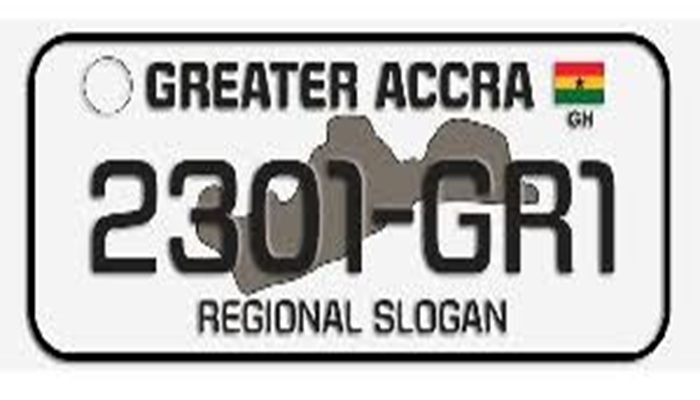
The High Court has dismissed two separate applications aimed at restraining the Driver and Vehicle Licensing Authority (DVLA) from embossing and distributing vehicle number plates for 2026.
The interlocutory applications, filed on 22 December 2025 and 5 January 2026, followed a substantive lawsuit brought by 26 vehicle embossment companies and their parent association. The plaintiffs are challenging the DVLA’s decision to award a new contract for vehicle plate embossment to a different company, claiming it breaches an existing agreement with the authority.
Counsel for the plaintiffs moved the applications in court on Tuesday. The first sought an injunction preventing the DVLA and the newly contracted company from embossing or distributing plates until the case is resolved. The second application sought to restrain the defendants from distributing plates in any form, including digital plates, pending the suit’s outcome. The judge dismissed both applications, describing them as without merit.
In their statement of claim, the plaintiffs assert that the DVLA had approved 27 of their members to emboss vehicle number plates, creating an enforceable contract that has never been withdrawn. They argue the authority owes their members arrears for pre-financing embossment work and has unjustly excluded them from the 2026 contract.
The plaintiffs also contend that the DVLA plans to introduce digitalised plates in January 2026 without engaging them. They claim the embossment process should have begun in October 2025 with the allocation of blank plates, but this did not happen despite public announcements.
They further allege that the contract was awarded to Dr. Nyarko Esumadu Appiah of Original Manufacturing and Embossment (Daasebre) without tender advertisement or Public Procurement Authority approval, which they describe as illegal, discriminatory, and an abuse of administrative authority. The plaintiffs argue that previous practice over 30 years separated manufacturing and embossment contracts to avoid conflicts of interest, a procedure ignored in this award.
While supporting digital plates, the plaintiffs propose a six-month suspension of the rollout to allow planning, training, and stakeholder engagement. They warn that their members, employing over 3,000 workers, could face significant financial losses if disengaged.



