

Build Cities for People, Not Cars – Architect Hassan
By Joyce Ayine
Architect Hassan M. Salih has called for a fundamental rethink of urban development in Ghana, warning that current planning approaches disproportionately favour car users while neglecting the majority of residents who rely on walking, cycling, and public transport.
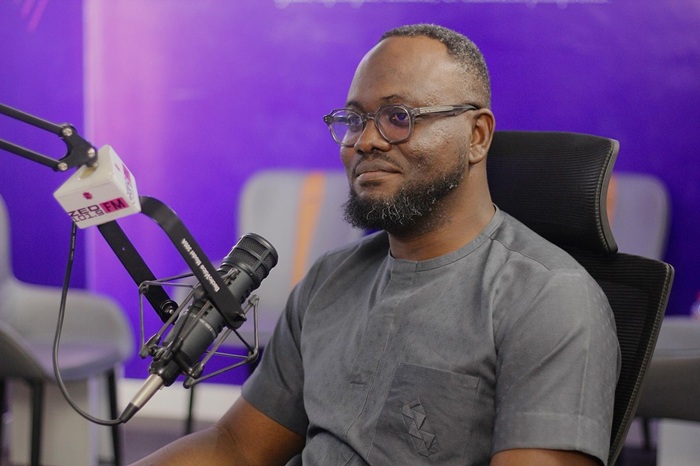
Speaking on Zed Decor Live on ZED 101.9FM, Mr. Salih argued that although roads are necessary for mobility, cities themselves must be designed with people at the centre. He expressed concern that many urban spaces, particularly in Accra, are structured around vehicles rather than human interaction, accessibility, and inclusivity.
“We build our cities for people in cars, which is the minority. We are building a city that serves the minority, while the majority still have to use it,” he stated.
According to him, the rapid urbanisation and population growth in Accra have intensified reliance on private vehicles, gradually transforming car ownership from a luxury into a necessity. He noted that limited and often inefficient public transport systems have further pushed residents toward private car use, influencing city authorities to prioritise road expansion projects over alternative transport solutions.
Mr. Salih emphasised that the persistent congestion witnessed in major urban centres is not merely a reflection of too many people, but rather an overconcentration of cars.
“What we are seeing is not traffic of people; it is traffic of cars,” he explained, adding that effective urban planning should focus on moving people efficiently rather than accommodating more vehicles.
He advocated for a diversified transport system that integrates buses, cycling infrastructure, and pedestrian-friendly walkways. Such an approach, he said, would reduce congestion, improve mobility, and create more inclusive cities that cater to a wider population.
To drive this transformation, the architect proposed the adoption of innovative planning concepts such as “urban acupuncture”, a strategy that focuses on small, targeted interventions capable of generating broader positive impacts across the urban landscape. He explained that carefully selected projects, such as pedestrian zones, improved bus corridors, and cycling lanes, could serve as catalysts for wider urban change.
Mr. Salih stressed that cities like Accra require deliberate and people-centred interventions that reshape how communities interact with their environments. He noted that such changes would not only improve mobility but also enhance quality of life, environmental sustainability, and economic productivity.
He concluded that reimagining Ghana’s urban spaces is no longer optional but necessary, urging policymakers, planners, and stakeholders to prioritise human needs over vehicular convenience.
By shifting focus from cars to people, he said, Ghana has the opportunity to build cities that are more livable, equitable, and resilient ensuring that urban development benefits the majority, not just a privileged few.



