Top Federal Reserve regulator to step down amid transition to new administration
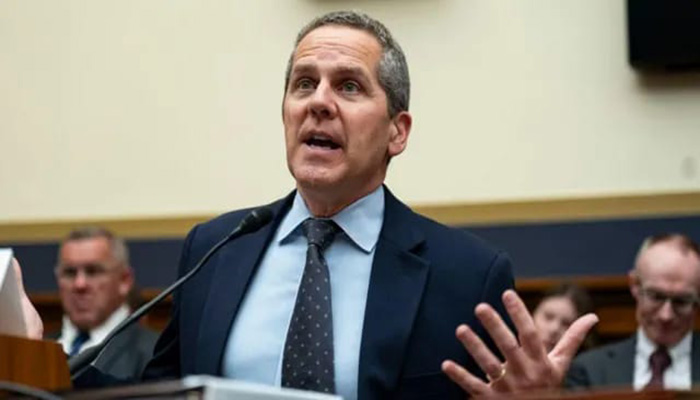
Michael Barr, the Federal Reserve’s top banking regulator, has announced his early departure from his supervisory role, citing concerns about potential disputes as Washington prepares for a new administration. Barr, a proponent of stricter oversight following a series of bank failures in 2023, has faced criticism from Republicans but had previously resisted calls to step down before his term’s official end in 2026.
Although Barr will remain on the Federal Reserve Board in a reduced capacity, his decision paves the way for President-elect Donald Trump to appoint a successor, likely from the existing board, to the key supervisory position. This role was established to enhance banking oversight in the wake of the 2008 financial crisis.
Barr explained that his decision aimed to avoid distractions that could undermine the Fed’s mission. “The risk of a dispute over the [vice president for supervision] position could be a distraction,” Barr said, adding that he believed he could better serve the public in his role as a board governor.
His announcement follows similar resignations by other top officials in anticipation of the incoming administration. Gary Gensler, head of the Securities and Exchange Commission, and FBI Director Chris Wray have both announced plans to step down before Trump takes office later this month, despite their terms extending beyond the new administration’s start.
Federal Reserve governors can only be removed “for cause,” a safeguard intended to preserve the bank’s political independence. However, specific roles on the board, such as Barr’s supervisory position, are subject to less clear rules, leaving room for potential legal disputes. Reports suggest Trump’s team had considered actions that might have triggered such a battle over presidential authority.
The Federal Reserve stated Barr’s resignation would take effect on February 28 or upon the confirmation of a successor. In the interim, the Fed will hold off on pursuing new banking regulations until the position is filled. Shares of major U.S. banks rose following the news, reflecting market optimism over potential shifts in regulatory direction under the new administration.